
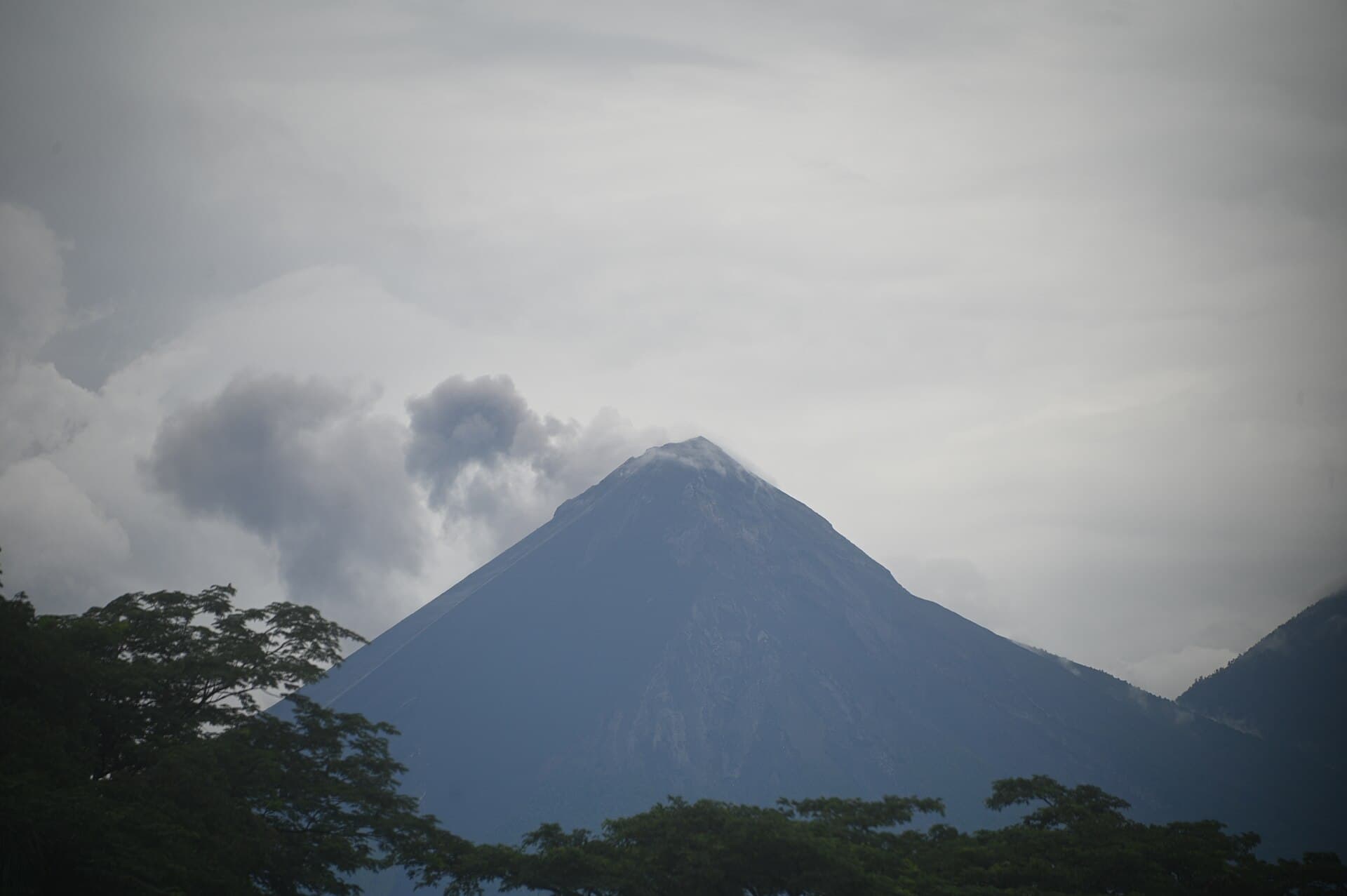
Quick answer: where to go hiking in Central America?
Hiking in Central America centres on its volcanoes and mountain forests: Acatenango and Tajumulco in Guatemala, Chirripó and the Monteverde or Corcovado parks in Costa Rica, Ometepe island in Nicaragua and Volcán Barú in Panama. The dry season, roughly December to April on the Pacific side, is best. Several climbs need a guide or a booking: a guide on Acatenango and in Corcovado, a reservation to sleep on Chirripó.
| At a glance | |
|---|---|
| Where | Guatemala, Costa Rica, Nicaragua, Panama, El Salvador, Honduras, Belize |
| For whom | From forest walkers to high-altitude volcano hikers |
| When | Roughly December to April (dry season, Pacific side) |
| Suggested length | 1 to 2 days per volcano; 2 weeks to combine two countries |
| Plan for | Guides and bookings depending on the park, warm clothes at altitude |
| Watch out for | Volcanic activity, tropical rain, safety on some trails |
Why go hiking in Central America?
Central America is a narrow strip of land between two oceans, crossed by a chain of volcanoes, several of them active. In a few days you can go from tropical rainforest to a summit above 4,000 m. It is the ideal region to watch an erupting volcano, walk through cloud forest or spot wildlife.
Distances are short, but roads are slow. For a first trip, combine two neighbouring countries rather than trying to see everything.
The best hikes in Central America by country
Guatemala: Acatenango and Tajumulco
In Guatemala, the Acatenango climb takes two days, with a night facing the often-active Fuego volcano. Most sources say a guide is mandatory there. Tajumulco, at 4,220 m, is the highest point in Central America. Around Lake Atitlán, trails link Maya villages. Our hiking in Guatemala guide covers these routes in detail.
Costa Rica: Chirripó, Arenal and Corcovado
Chirripó, Costa Rica’s highest point, is usually climbed in two days, with a night in a hut near the summit; places must be booked in advance. Around Arenal volcano, trails cross old lava flows and the forest at the foot of the cone. In Corcovado National Park, famous for its wildlife, visits are made with a licensed guide.
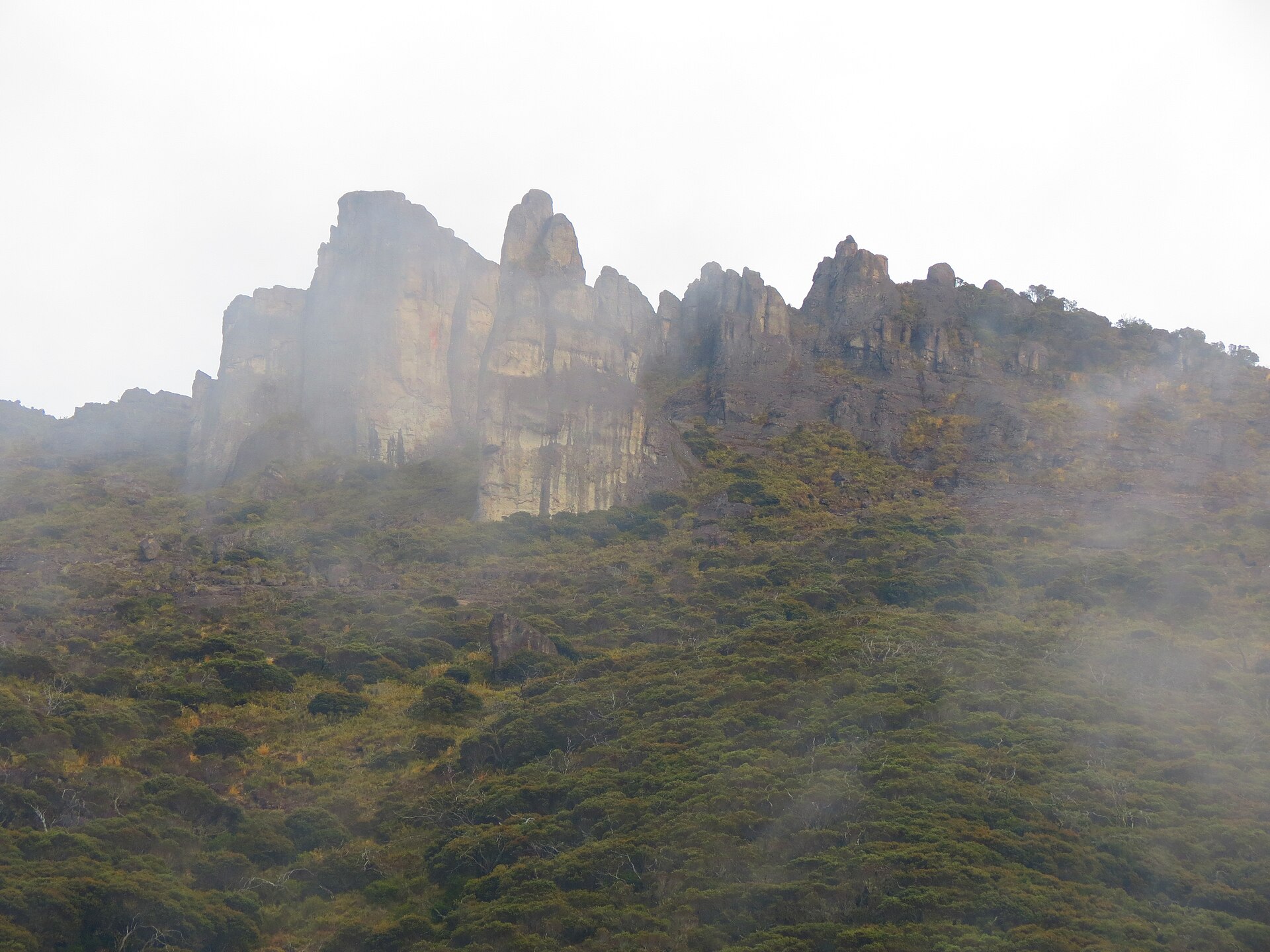
Cerro Chirripó, Costa Rica’s highest point — Photo: madricrc · CC BY 2.0.
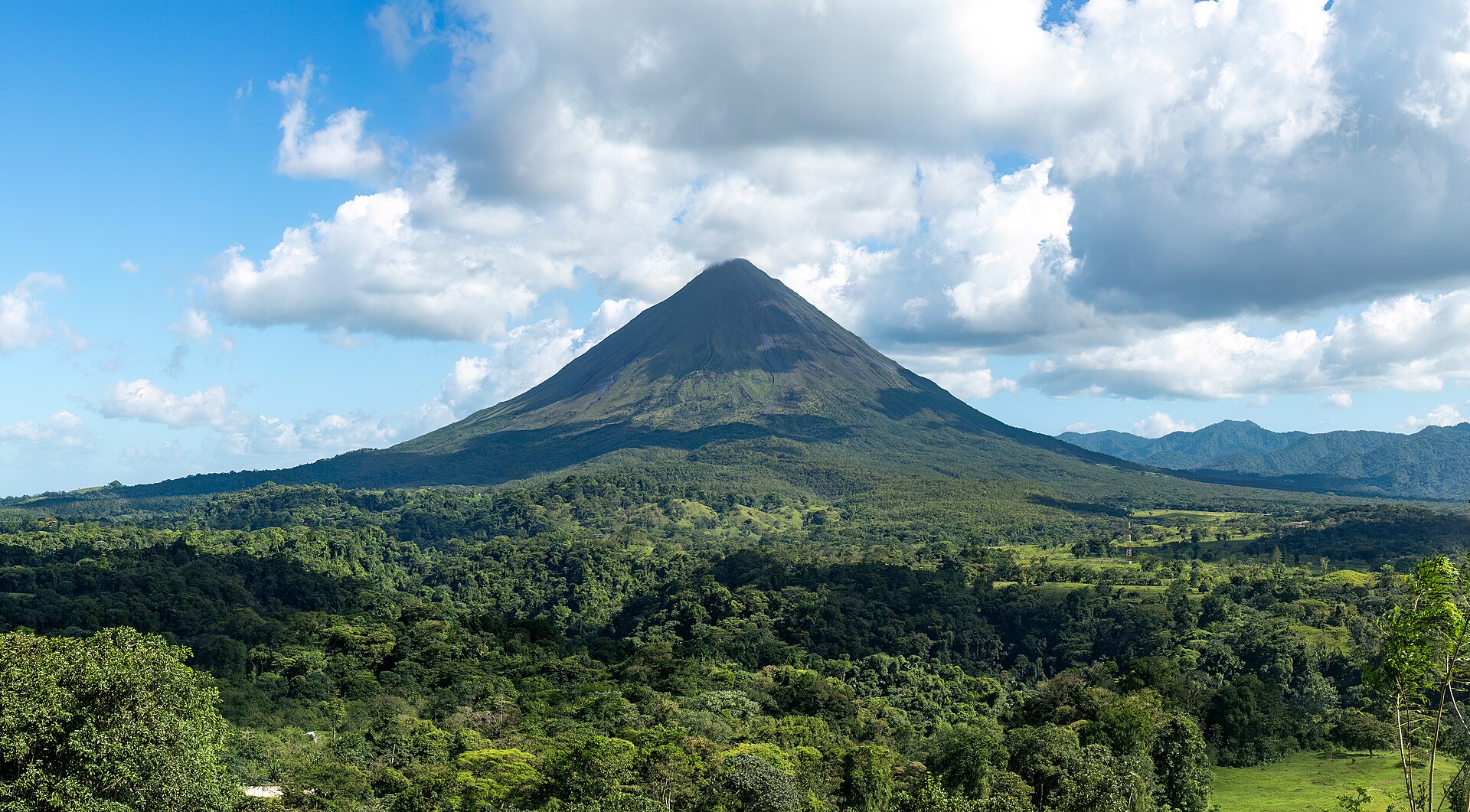
Arenal volcano, Costa Rica — Photo: Rhododendrites · CC BY-SA 4.0.
Nicaragua: the volcanoes of Ometepe
In Lake Nicaragua, Ometepe island is formed by two volcanoes, Concepción and Maderas. Their climbs are long, steep and often muddy, and are done with a local guide.
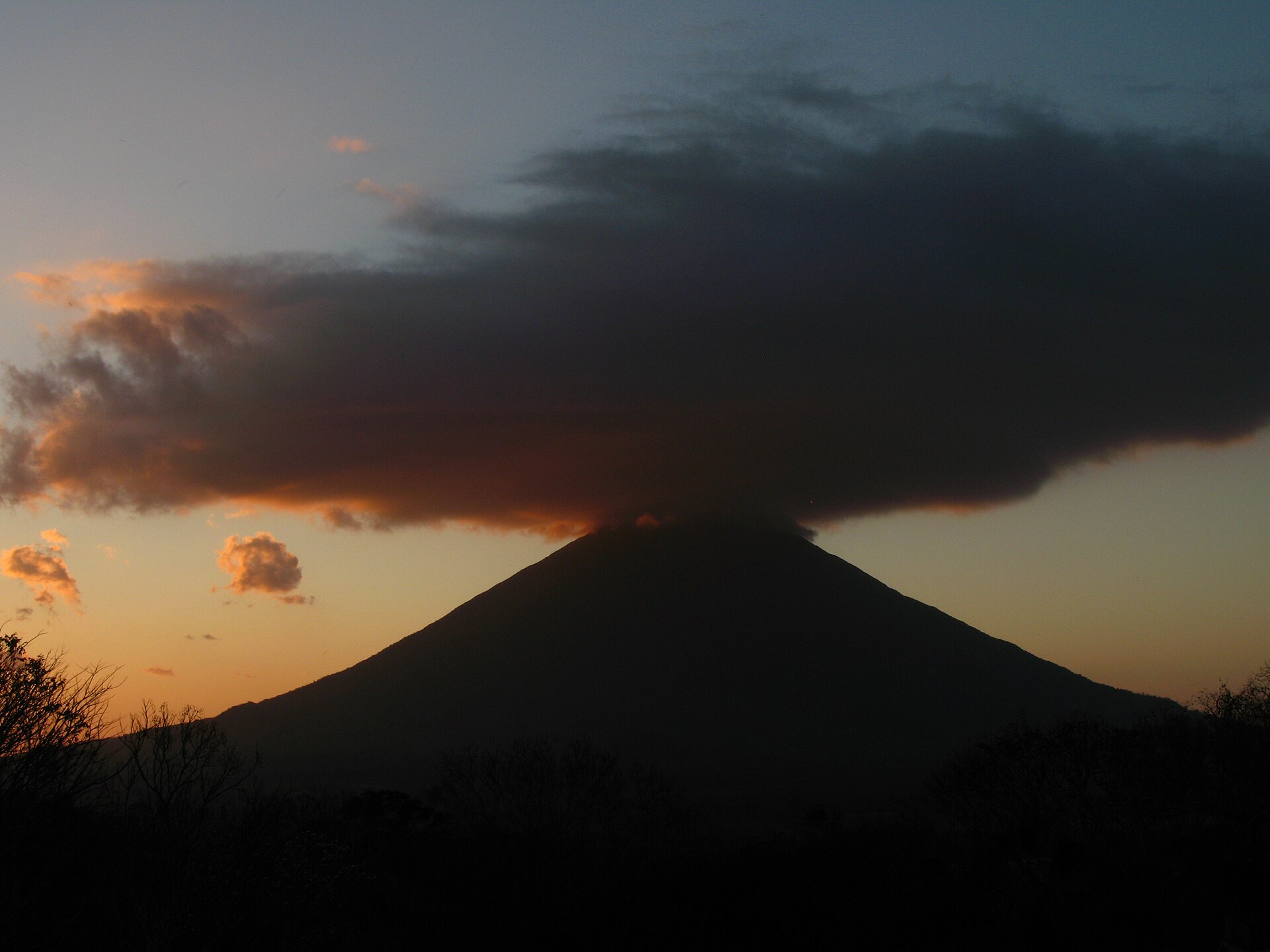
Concepción volcano on Ometepe island — Photo: Claude Humbert · CC BY 3.0.
Panama: Volcán Barú
Volcán Barú, Panama’s highest point, is climbed from the Boquete area. On a clear day the summit looks out over both oceans. The long ascent is often done at night to arrive for sunrise.
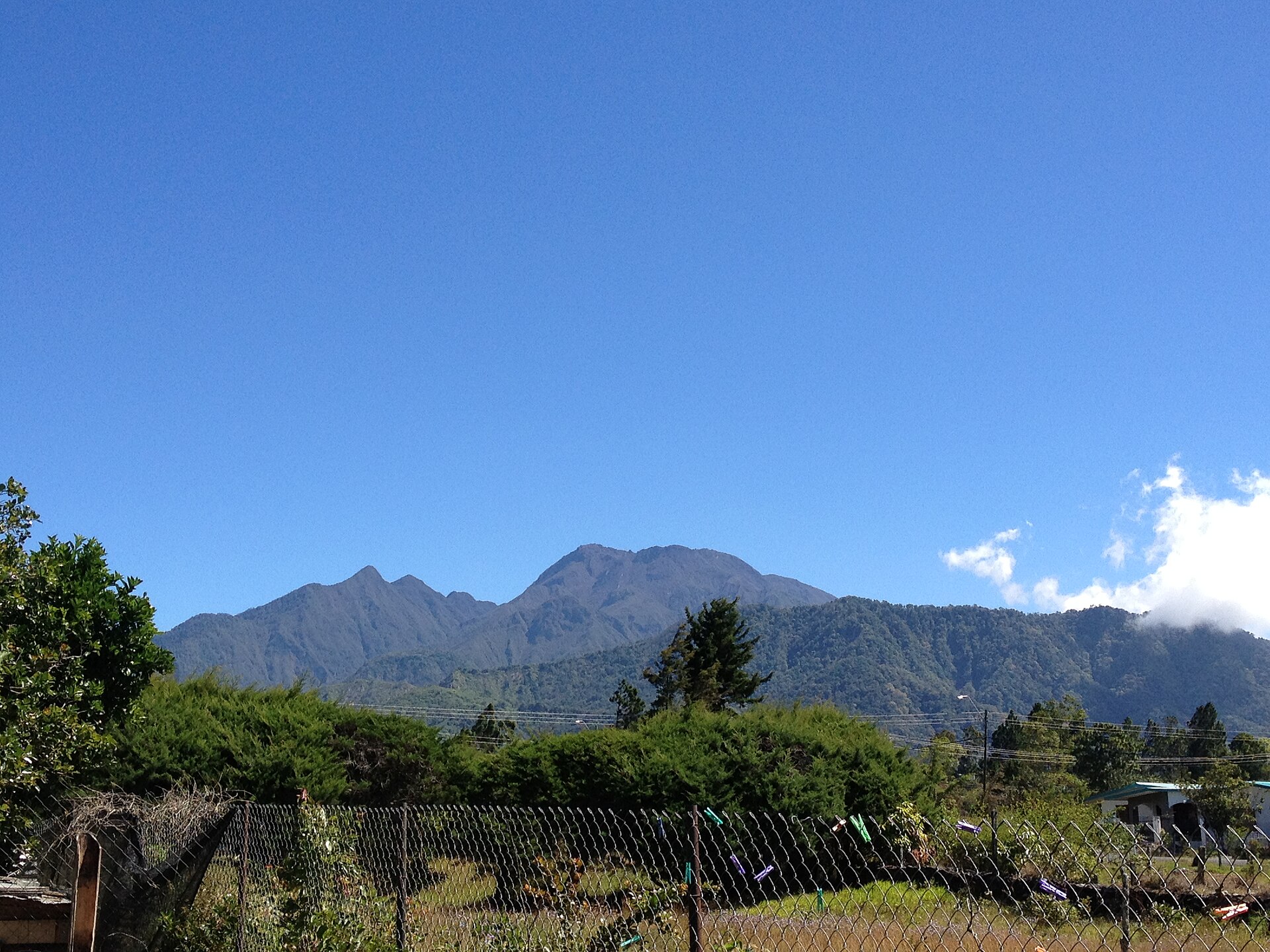
Volcán Barú, Panama — Photo: Rkool007 · CC BY-SA 3.0.
Other countries: El Salvador, Honduras and Belize
In El Salvador, Los Volcanes National Park offers the climb of Santa Ana volcano. In Honduras, Celaque and Pico Bonito parks protect mountain forests. In Belize, the Cockscomb Basin sanctuary has rainforest trails.
When to go hiking in Central America
The dry season, roughly December to April on the Pacific side, is the best time for hiking in Central America: trails are firmer and summits clearer. From May to November, the rainy season brings daily showers, mostly in the afternoon. The Caribbean side has a different rain pattern, so check the weather for each region.
Guides, permits and safety
- Guides: mandatory on Acatenango according to most sources and in Corcovado; recommended on the Ometepe volcanoes and around Lake Atitlán.
- Bookings: reserve in advance to sleep on Chirripó.
- Volcanic activity: volcanoes may close depending on their activity; follow the authorities’ instructions.
- Safety: check official travel advice for each country and avoid hiking alone on isolated trails.
Gear
Bring light clothes for the forest, but also a down jacket, hat and gloves for nights at altitude on Acatenango, Tajumulco or Chirripó. Add a waterproof jacket, a head torch for night starts, insect repellent and plenty of water.
FAQ: hiking in Central America
What is the highest point in Central America?
Tajumulco volcano in Guatemala, at 4,220 m.
What is the best season for hiking in Central America?
The dry season, roughly December to April on the Pacific side.
Can you see an erupting volcano while hiking?
Yes, notably from Acatenango in Guatemala, where you can often watch Fuego erupting. Access depends on volcanic activity.
Do you need a guide to hike in Central America?
For several sites, yes, including Acatenango and Corcovado National Park. Elsewhere, a local guide is still recommended.
Which country is best for a first hiking trip in Central America?
Costa Rica, for its well-organised parks, or Guatemala, for its volcanoes. The two combine well with a regional flight.
Sources
Sources checked on 2 November 2026. Check volcanic activity, bookings and travel advice before you go.
- Volcán Acatenango — official information
- Costa Rica’s National System of Conservation Areas (SINAC) — Chirripó bookings and Corcovado rules