
Hiking in Ethiopia
Thousand-metre escarpments, gelada monkeys and Ethiopian wolves on plateaus above 4,000 m: Ethiopia offers high-altitude hiking unlike anywhere else in Africa, in a security situation you must check first.
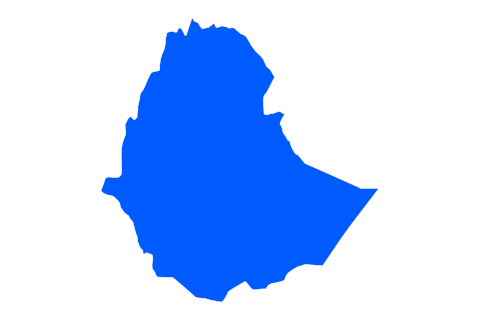
Hiking places
Routes to explore
- Treks des Simien et des Bale à préciser
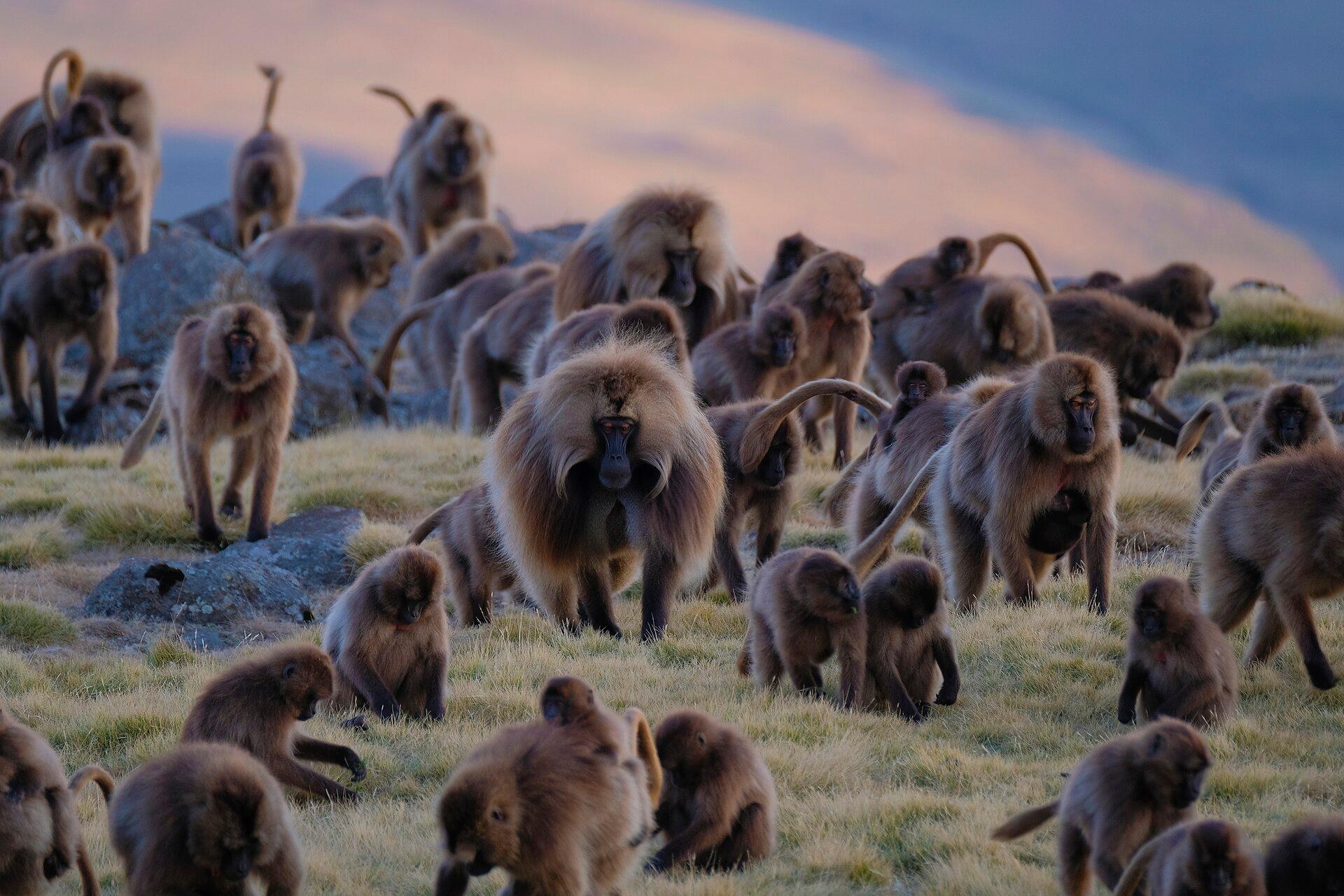
Quick answer: where can you go hiking in Ethiopia in 2026?
Hiking in Ethiopia centres on two high mountain ranges: the Simien Mountains in the north and the Bale Mountains in the south-east. As of 30 September 2026, the French foreign ministry advises against all travel to the Amhara region, which includes the Simien, while the Bale Mountains in Oromia are rated “increased vigilance”. The dry season, roughly October to March, is the best time to go. In the Simien, an armed park scout must accompany every group, and on both ranges you will often be above 3,500 m, so acclimatisation matters.
| At a glance | |
|---|---|
| Where | Bale Mountains (Oromia); Simien Mountains (Amhara, currently advised against) |
| Who for | Fit hikers comfortable at altitude |
| When | Dry season, roughly October to March |
| Suggested length | 3 to 5 days per range, plus transfers |
| Plan for | E-visa, park scout and fees, local guide |
| Watch out for | Regional security, acute mountain sickness |
Where to go hiking in Ethiopia
Ethiopia is a land of high plateaus cut by gorges and topped by peaks over 4,000 m. Three areas come up in most hiking plans: the Simien Mountains, known for their cliffs and gelada monkeys; the Bale Mountains, with the Afro-alpine Sanetti Plateau; and the Tigray highlands, where trails lead to rock-hewn churches.
Before picking a range, check your government’s travel advice map. In 2026 it changes faster than travel plans do: a region you can still book may be advised against by the time you leave.
Choosing your hiking area in Ethiopia
Simien Mountains: escarpments, geladas and Ras Dashen
Simien National Park, a UNESCO World Heritage Site, sits on a plateau that ends in sheer cliffs above the lowlands. Hikers regularly see gelada troops and Walia ibex, and sometimes the Ethiopian wolf. Ras Dashen, the country’s highest peak, rises above 4,500 m; its exact height varies between surveys.
Treks start in Debark, home to the park headquarters. There you pay fees, hire a guide, cook and mule handlers, and are assigned the mandatory armed scout. Nights are spent at designated campsites such as Sankaber, Geech (Gich) and Chennek.
Current status: as of 30 September 2026, the French foreign ministry states that “the whole Amhara region is formally advised against” because of fighting and road blockades. Belgian and Canadian advice is similar. Do not book a Simien trek without checking that advice and what your insurance covers.
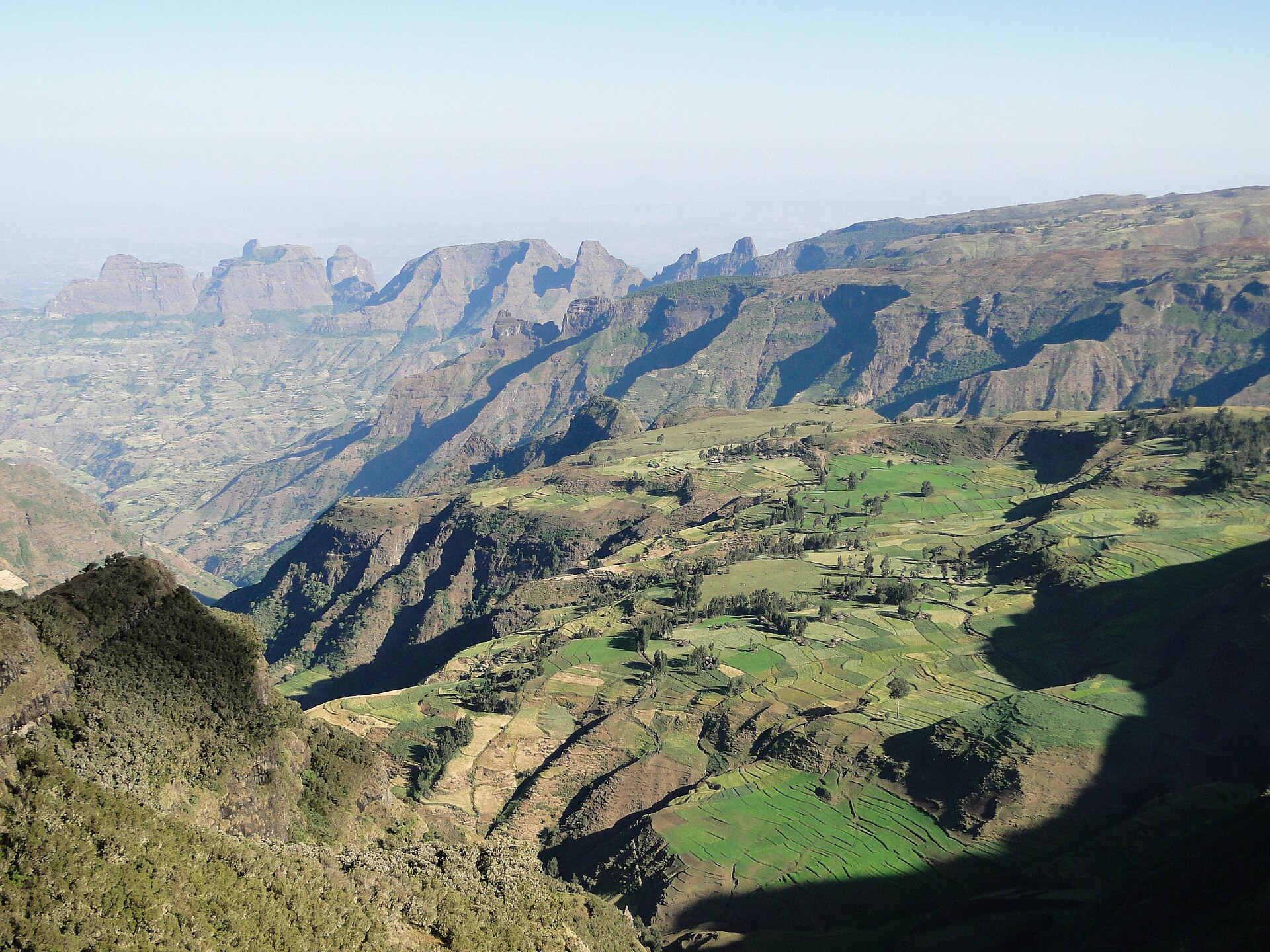
The escarpments of Simien National Park — Photo: Bernard Gagnon · CC BY-SA 3.0.
Bale Mountains: the Sanetti Plateau and Harenna Forest
The Bale Mountains are the range to favour in 2026. According to UNESCO, the Sanetti Plateau, above 3,800 m, holds the largest continuous area of Afro-alpine habitat in the world. Tullu Dimtu, at 4,377 m, is Ethiopia’s second-highest peak. Ethiopian wolves, mountain nyala and giant lobelias are part of the landscape.
The park headquarters is in Dinsho, and the town of Goba makes a practical base. A road crosses the plateau, which makes high-altitude day hikes possible but also means you can gain height too fast by car. To the south, the Harenna escarpment drops into a very different, humid forest.
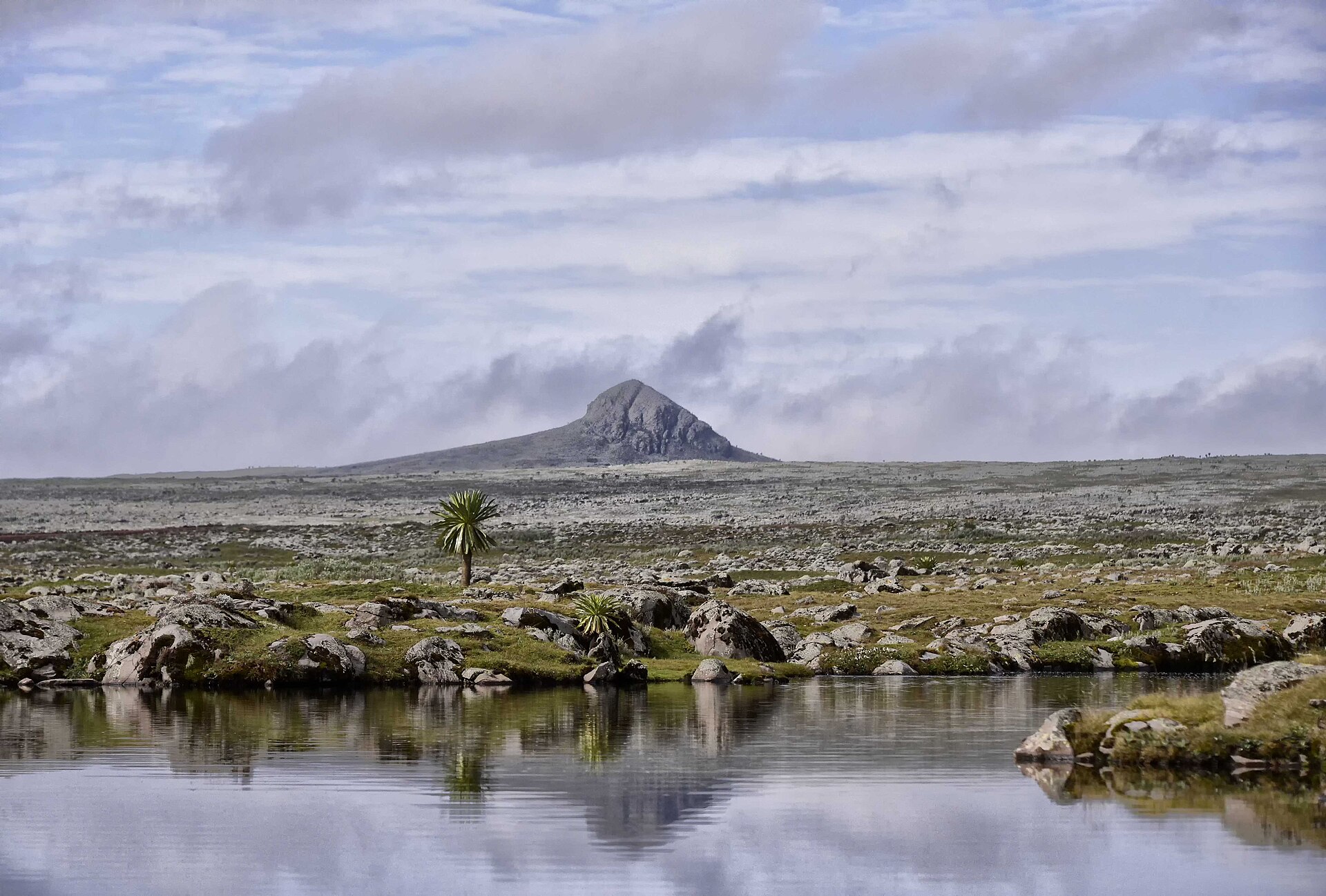
The Sanetti Plateau in the Bale Mountains — Photo: Rod Waddington · CC BY-SA 2.0.
Tigray highlands: rock-hewn churches
In Gheralta, short but steep walks lead to churches carved into cliffs, sometimes with easy scrambling. As of 30 September 2026, all travel to Tigray is formally advised against by the French foreign ministry and flights to the region are suspended, so this area is not part of our current suggestions.
When to go hiking in Ethiopia
The main rainy season hits the highlands from about June to September. Trails turn muddy, cloud hides the views and nights at altitude are cold and wet. The dry season, roughly October to March, is the best window for trekking.
October and November often combine green landscapes with clearer skies. In the Bale Mountains rain can also fall in spring, so check local forecasts and keep a spare day.
Practical tip: even in the dry season, nights above 3,500 m can be freezing. A warm sleeping bag is essential if you camp.
To compare with other destinations, see our month-by-month calendar of the best time to go hiking.
Visa, scouts and logistics
- Visa: required and obtained online before departure, according to the French foreign ministry.
- Park fees: paid at park headquarters (Debark for Simien, Dinsho for Bale); check current amounts locally.
- Scout: mandatory in the Simien; a scout does not replace a guide who knows the route.
- Team: guides, cooks and mules can be hired at park headquarters or through an agency; agree who provides tents, food and the crew’s meals.
- Transport: domestic flights to Gondar or Robe, then road; some flights to the Amhara region are suspended.
Compare quotes like for like: fees, scout, mules, tents and transfers are not always included.
Altitude, gear and respect
Most treks run between 3,000 and 4,500 m. Ascend gradually, drink regularly and descend if headache, nausea or breathlessness get worse. Pack warm layers, a waterproof jacket, strong sun protection and a way to treat water.
Keep your distance from geladas and wolves, never feed them, and follow your scout’s instructions. In villages, ask before photographing people.
Frequently asked questions about hiking in Ethiopia
Can you go hiking in Ethiopia in 2026?
Yes, but not everywhere. As of 30 September 2026, the French foreign ministry formally advises against the whole Amhara region (Simien) and Tigray. The Bale Mountains are rated “increased vigilance”: check the situation before you go.
Is a scout mandatory in the Simien Mountains?
Yes. Park rules require an armed scout to accompany hikers. Scouts are assigned at the park headquarters in Debark.
What is the highest peak you can hike?
Ras Dashen, in the Simien, rises above 4,500 m. In Bale, Tullu Dimtu (4,377 m) can be reached from the Sanetti Plateau road.
What is the best season?
The dry season, roughly October to March. Avoid the main rains from June to September.
Do I need an agency?
Not always, but a local agency simplifies logistics (mules, cook, transfers) and follows the security situation.
Sources
Checked on 10 October 2026: French foreign ministry, Ethiopia security; UNESCO, Simien National Park; UNESCO, Bale Mountains National Park; Government of Canada, Ethiopia travel advice.