
Hiking in Portugal
From northern mountains to coastal paths and Atlantic islands, choose the Portuguese landscapes that fit your walking holiday.
Hiking places
Routes to explore
- Rota Vicentina
- Fishermen's Trail
- Via Algarviana
- levadas de Madère
Hiking guides
Hiking in Portugal: where to go for your experience level
Choose a hiking region in Portugal: northern mountains, coastal paths, Madeira or the Azores. Compare terrain, seasons and logistics before booking.
Portugal · GUIDE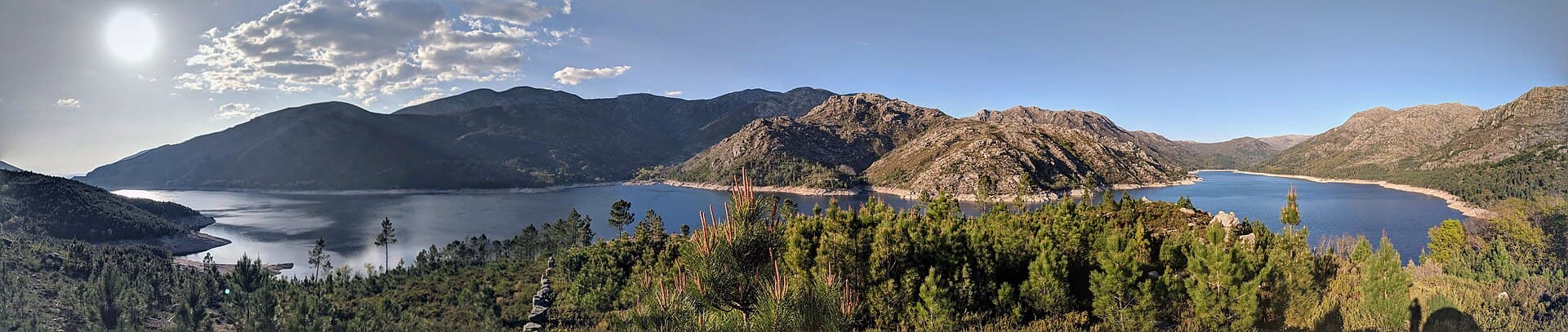
Peneda-Gerês hike: Campo do Gerês to Gerês on GR50
Plan GR50 stage 12: 10.3 km from Campo do Gerês to Gerês, elevation, difficulty, official map and practical arrangements for the return.
Peneda-Gerês · GUIDEWhere should you hike in Portugal?
For a first stay, choose between three settings: mountains and countryside in the north, mainland coastal paths, or island landscapes in Madeira and the Azores. This decision shapes transport, accommodation and the type of walk. Trying to combine all these areas in one week leaves less time on the trails and more time moving between destinations.
To compare regions by terrain, season and experience, read our guide to choosing a region for your level.
A fixed base suits several day outings; a multi-day journey means connecting stages with different overnight and return arrangements. Before choosing a route, compare distance, elevation gain, surface and exposure. A coastal path, a mountain walk and a route alongside a levada do not necessarily require the same skills. Select the actual outing rather than assuming the whole country has one walking difficulty.
Choose your region around your walking style
Peneda-Gerês: explore the north from one base
Peneda-Gerês is an option for exploring northern Portugal on foot. Choose accommodation around your intended starting points rather than assuming every village gives convenient access to the whole park. For a short visit, one base and varied outings can reduce driving and leave room for scenery and local discoveries.
Start with a moderate walk to understand your pace on the terrain. A short description can still involve climbs or passages that slow the group down. Prepare the departure and return arrangements, then ask about conditions locally. A map helps locate places, but does not explain every difficulty or establish current access. Give each outing enough time for breaks and a comfortable return.
Alentejo and Algarve: choose coastal stages
The Rota Vicentina offers walking options in southwestern Portugal. Its network includes the Fishermen’s Trail and circular walks. Use the official walking routes to choose the right format instead of treating every name as the same path. A point-to-point stage and a loop returning to the start have different practical requirements.
On coastal outings, assess surface as well as distance. Sand, repeated climbs and exposure can change your pace. Arrange water, sun protection and the journey back from the finish. For several nights, confirm accommodation and stage logistics before booking transport. A well-chosen section can make a rewarding holiday without requiring you to complete the whole crossing.
Madeira: levadas and mountain landscapes
Madeira needs planning as a walking destination in its own right. Levadas, mountain terrain and exposed paths offer different experiences; the word levada is not a guarantee of an easy walk. Examine the specific route description, its passages and conditions before choosing it for your group.
Classified routes can involve reservations and access charges. Check IFCN guidance and the status of your chosen trail. An old track or accommodation booking does not confirm that a route is open. If a path is closed, select an authorised alternative rather than improvising a bypass. Organise your holiday around walks whose conditions you can verify.
Azores: select an island before the trails
In the Azores, start with the island and the length of your stay. Adding islands involves transfers that are not walking time. For a few days, staying on one island provides flexibility and a chance to explore varied landscapes without continually changing accommodation.
Read descriptions, difficulty levels and notices on the official trail network. Adapt the day to visibility and local conditions instead of treating a photographed panorama as a promise. A shorter or lower objective may suit the weather better. Choose outings that remain enjoyable within your experience, with enough time to return and adjust the following day if necessary.
When should you travel and how should you plan?
There is no single season suitable for every Portuguese trail. Coast, mountains and islands do not follow one planning rule. Compare your dates with the terrain, exposure and expected conditions. Keep a flexible day and an alternative walk, especially when a transport arrangement or reservation depends on a particular objective.
For a week at one base, alternate hikes, local exploration and rest. Choose a moderate first outing before more demanding objectives. For a multi-day journey, allow for cumulative fatigue and pack weight rather than only stage distance. A realistic programme lets you enjoy the holiday even when a day needs changing. Do not fill every available hour before accounting for travel and recovery.
To compare with other destinations, see our month-by-month calendar of the best time to go hiking.
Transport, overnight stays and equipment
Locate your starting points and travel times before booking accommodation. Without a car, check outward and return services on the relevant days. For a one-way walk, arrange the final transfer. Cheaper accommodation farther away can increase travel costs and reduce time outdoors. A suitable base matters more than a room chosen only from a photograph or nightly price.
Carry water, food, familiar footwear, rain, wind and sun protection, appropriate warmth and offline navigation. Check route-specific requirements when the description mentions particular passages. Tell someone your itinerary and leave a margin before nightfall. Respect private property, permitted paths and protected-area rules. Ask about outdoor overnight stays instead of assuming arrangements from another region apply.
Common questions about hiking in Portugal
Which region suits beginners?
Choose a route matching your experience first. A clearly documented loop with an easy return may suit you better than a long stage, even in a destination considered accessible. Compare terrain and elevation gain before selecting the scenery that interests you.
Should you choose the mainland or an island?
The mainland may suit a holiday limiting transfers between land regions. An island offers another experience, with its own transport and access requirements. For a short stay, concentrate on one area rather than multiplying destinations and reducing the days available to walk.
Can you improvise a coastal walking journey?
Confirm nights, meals, water and the return journey first. Options vary with the stage and travel period. A general description of the coast does not replace planning for the specific path. Start with a section whose logistics you understand and keep a way to shorten the trip if circumstances change.