
Hiking in France
From Alpine lakes to Brittany’s cliffs, France offers very different walking landscapes. Choose your region around the season, your experience and the time you have.
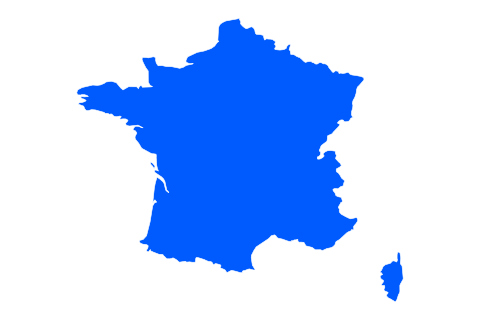
Hiking places
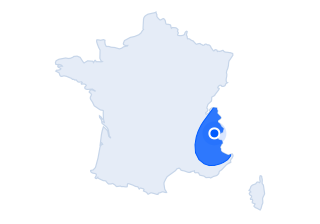
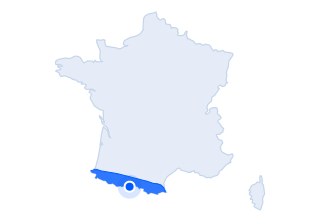
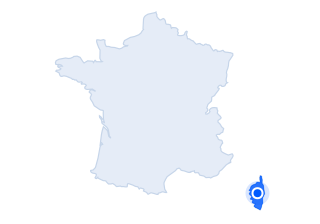
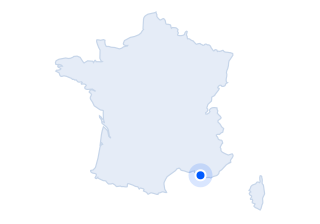
Routes to explore
- GR20
- GR10
- GR54
- GR70
- GR34
- Tour du Mont-Blanc, partagé avec Italie et Suisse
Hiking guides
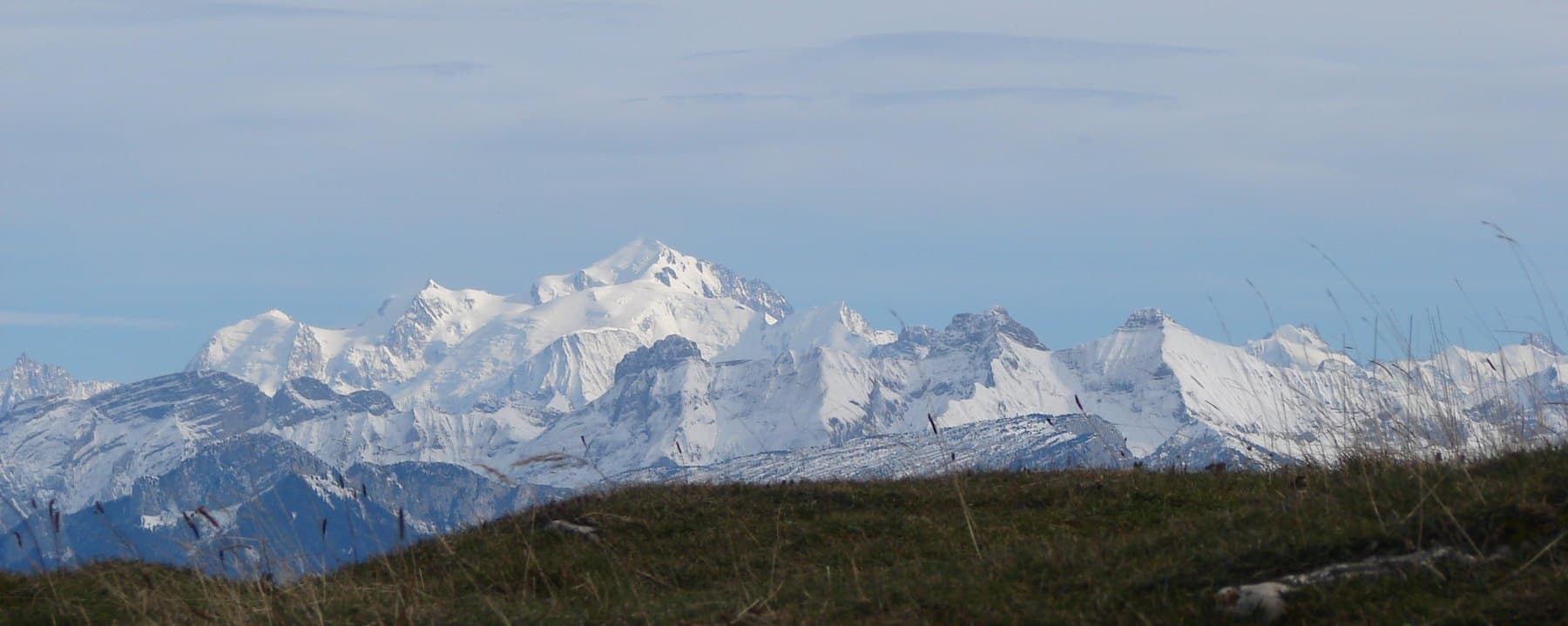
Alps: when is the best time to go hiking?
Find the best time to hike in the Alps according to altitude, snow conditions, hut openings and your experience, with practical seasonal advice.
Alps · GUIDE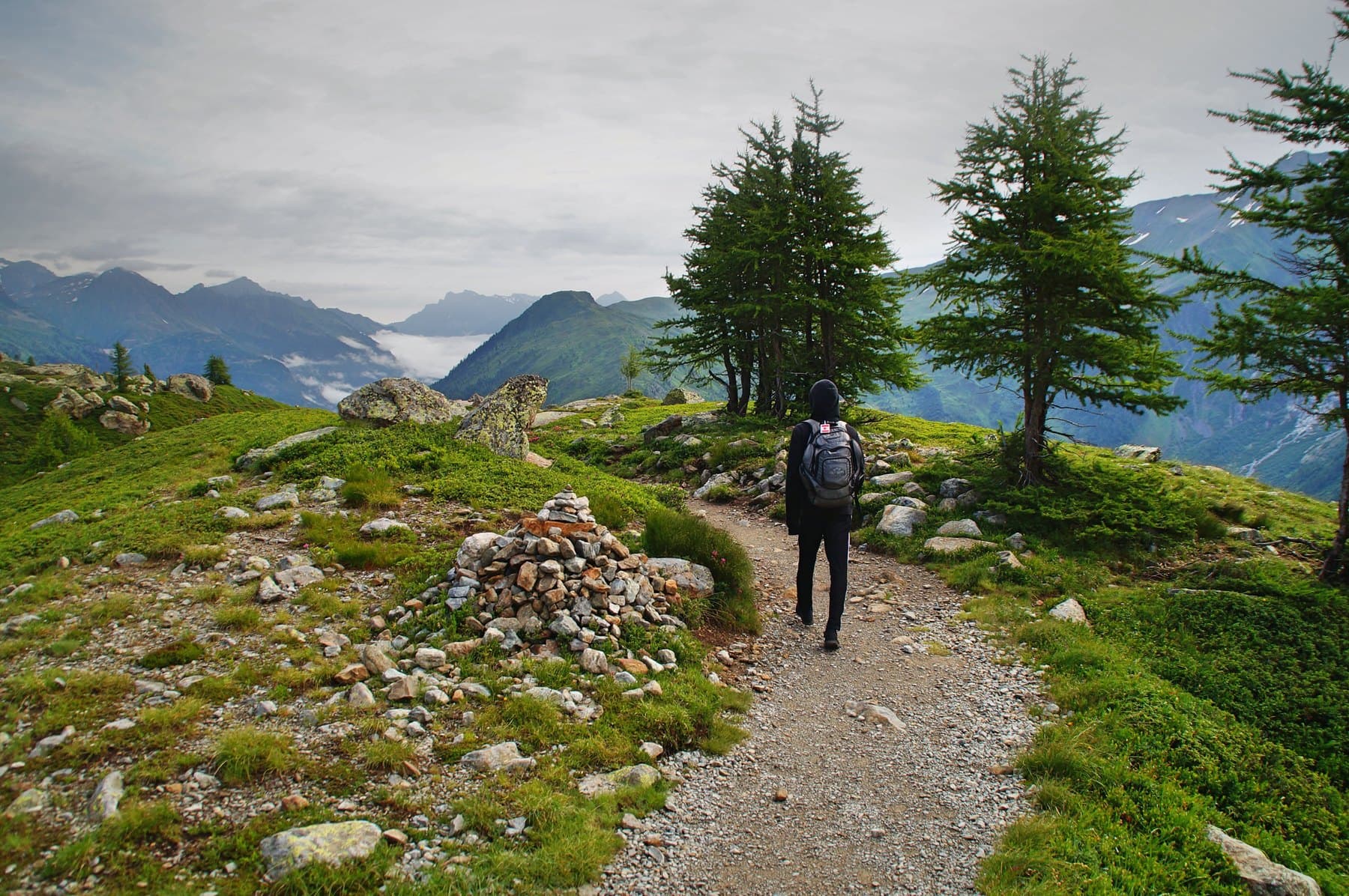
Alps hiking trip: how to plan it
Plan your Alps hiking trip: choose a mountain range, season and routes, book huts, prepare your equipment and organise transport.
Alps · GUIDE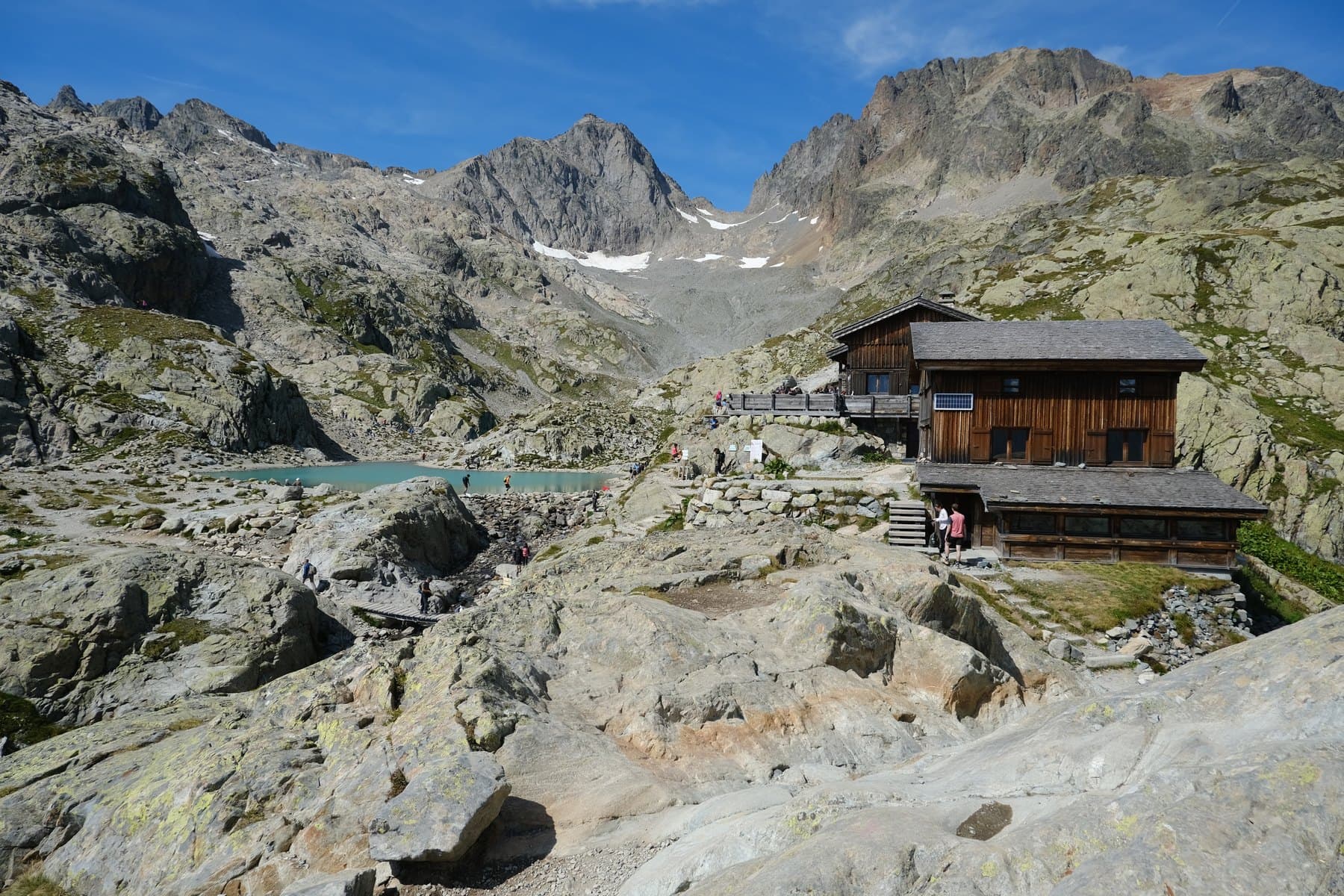
French Alps hiking trails: 5 routes in Chamonix and the Écrins
French Alps hiking trails compared: Lac Blanc, Petit Balcon Sud, Lauzon, Eychauda and Lauvitel, with distances, ascent, times and difficulty.
Alps · GUIDE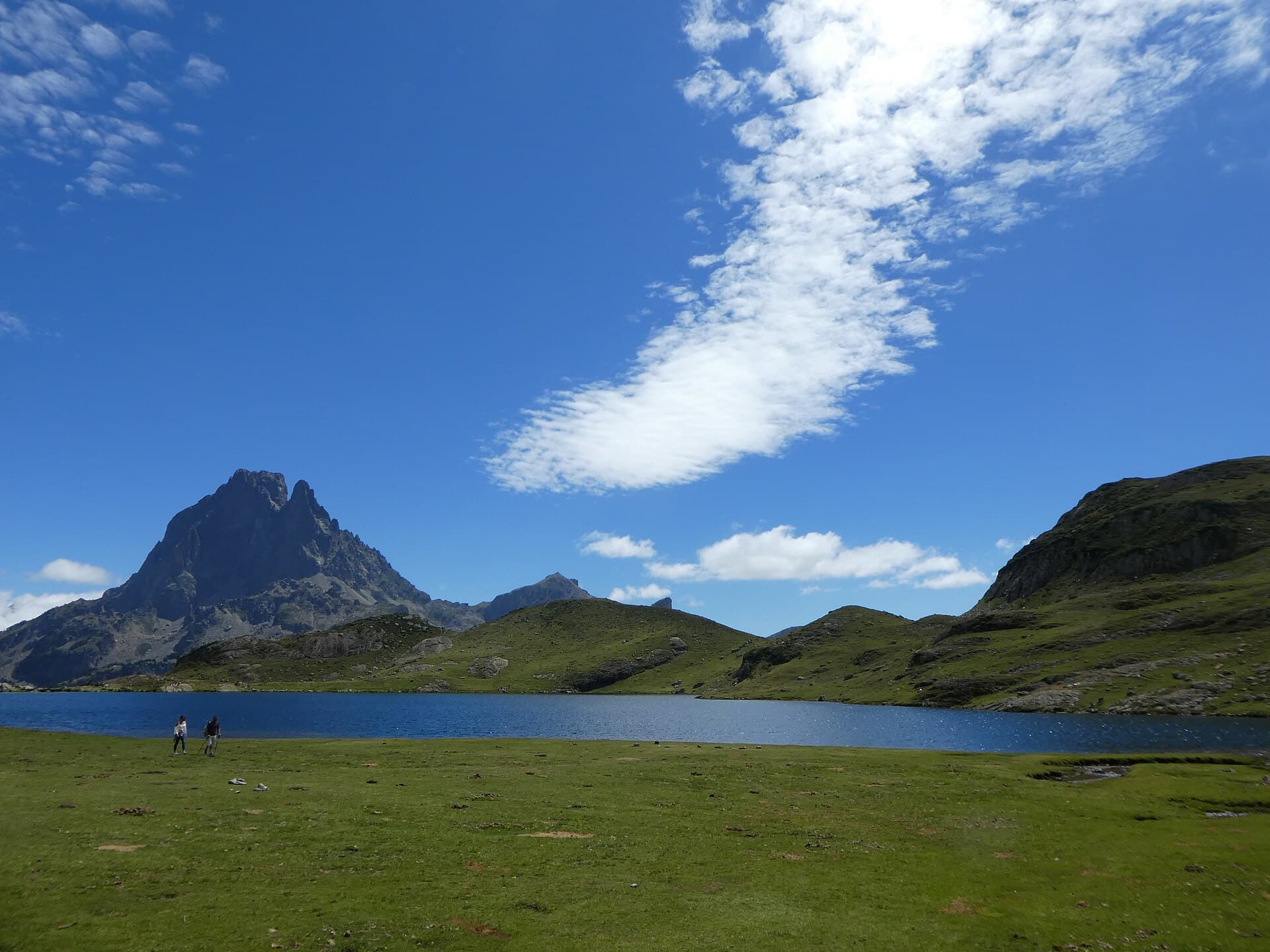
Pyrenees hiking trip: how to plan it
Plan your Pyrenees hiking trip: French and Spanish areas, seasons, routes, mountain huts, equipment and budgeting.
Pyrenees · GUIDE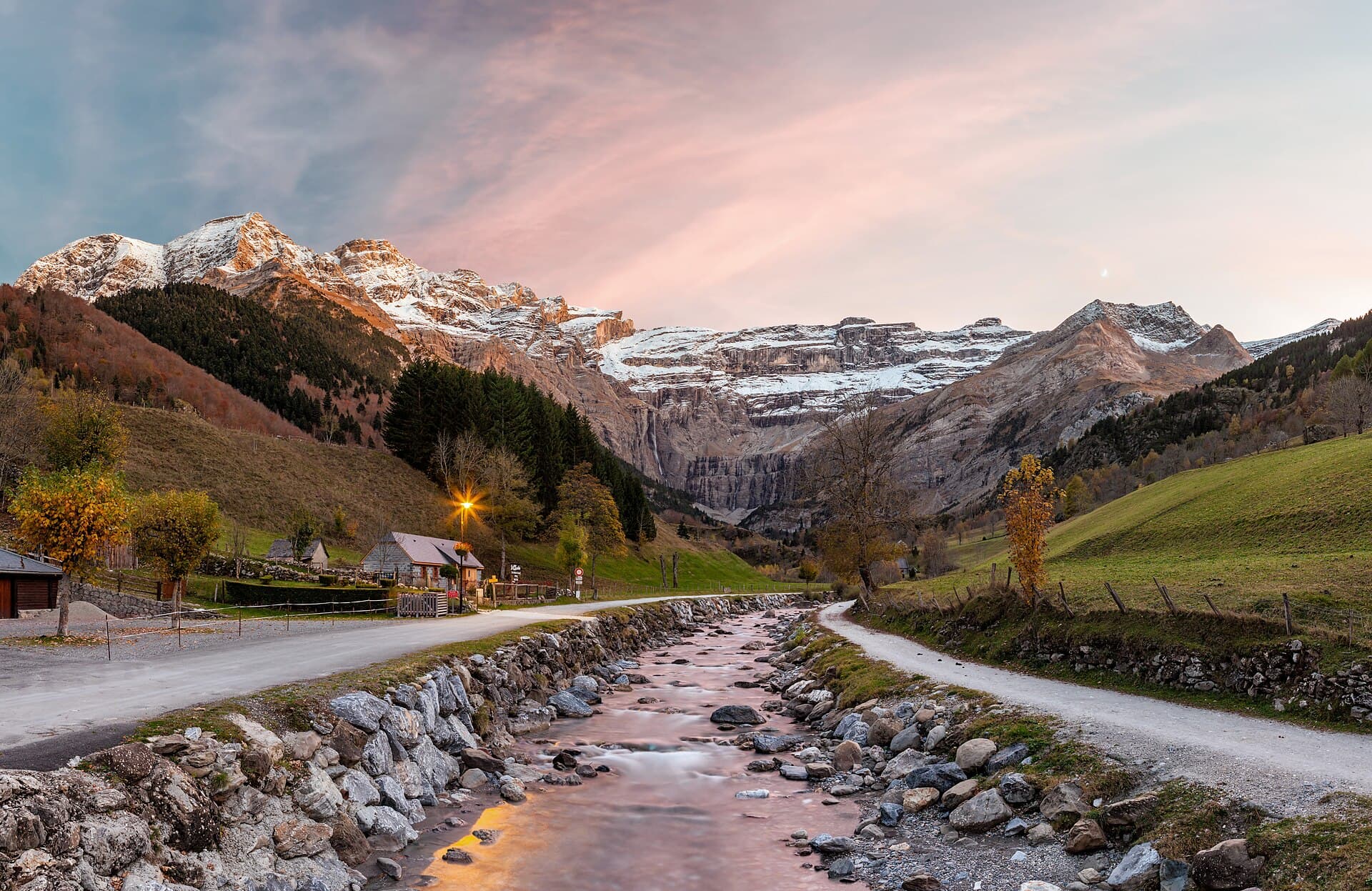
Pyrenees: which hiking trails should you choose?
Compare three Pyrenees hikes: Gavarnie, Gaube Lake and Cola de Caballo, with verified distances, ascent and advice on choosing your route.
Pyrenees · GUIDEWhere should you hike in France?
Start with the landscape you would like to explore. The Alps and Pyrenees suit mountain holidays; Brittany offers coastal walking; the Jura and Vosges bring forests, ridges and varied countryside. The Massif Central is a place to discover volcanic landscapes. Corsica and the Calanques combine Mediterranean scenery with routes that require attention to heat and access conditions. None of these regions has a single difficulty level: compare elevation gain, terrain and return options before choosing a walk.
Your starting point does not have to be a famous summit. A route that matches your pace leaves room to enjoy the landscape rather than turn every day into a challenge. For a first walking holiday, stay in one place for several nights and choose increasingly demanding outings. This makes it easier to adjust to weather, recover between walks and spend time in nearby villages without constantly packing and moving.
Choosing a mountain range or coastline
Alps: lakes, valleys and mountain huts
The Alps appeal to walkers looking for high mountain scenery, valley paths and hut stays. Separate valley walks from routes involving exposure or snow. A lake that looks close on a map can still require a sustained climb. Begin with the Alps hiking guide, then compare outings in the Alpine trail guide. Choose accommodation around your intended walks, rather than assuming every valley gives access to every trail.
Pyrenees: explore one valley at a time
The Pyrenees work for a holiday based in one valley as well as a longer journey. With only a few days, focus on one area to reduce driving and keep time for walking. Read the Pyrenees hiking guide and the trail comparison before making your shortlist. Keep a lower alternative in mind when conditions make a higher route unsuitable, and allow time to enjoy the valley itself.
Corsica: Mediterranean island, mountain interior
Corsica offers more than the GR20. Build a holiday around coastal walks, village paths or the mountainous interior. Decide which experience matters most before booking accommodation: map distances do not tell you how long the road journey will take. A demanding crossing needs suitable preparation for its terrain and logistics. For a first visit, several day walks from a well-chosen base can provide a rewarding introduction to the island.
Vosges and Jura: forests, ridges and changing terrain
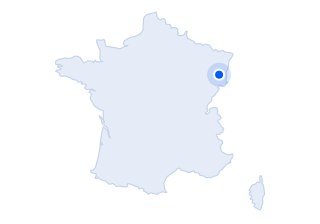
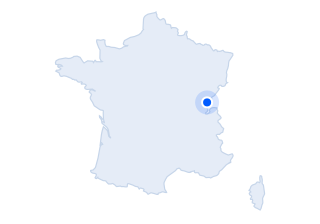
The Vosges offer wooded landscapes and ridges, while the Jura includes plateaux, lakes and valleys. Both provide alternatives to a high Alpine holiday, but this does not make every route easy. Repeated climbs, wet ground and long distances can add up to a tiring outing. Choose a loop that leaves room for breaks and changing conditions. With a mixed group, plan around the person who needs the most time.
Massif Central: volcanic scenery and rural stays
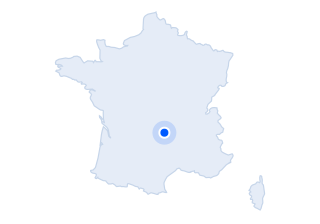
The Massif Central invites you to combine walking through volcanic landscapes and uplands with a countryside stay. For a short trip, select one area instead of driving across the whole region. Look at the elevation of the starting point and exposure to wind, as well as summit height. A path across open country can require warm and protective clothing even when a sheltered valley feels comfortable.
Brittany: coastal walking in manageable sections
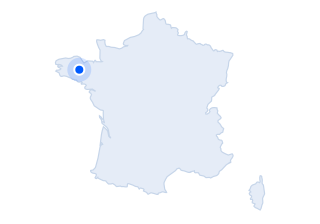
In Brittany, a section of the GR34 can become a day walk or a journey over several stages. A coastal path is not necessarily flat: repeated descents towards coves and climbs back up contribute to the effort. Arrange your return from the finish, and leave time to explore a harbour or an accessible beach. Wind and rain matter as much as distance when choosing an enjoyable day and section.
Calanques: rocky paths above the sea
The Calanques combine marine scenery with rocky terrain. Carry enough water and wear suitable shoes, even when the route looks short. Summer fire risk can change access to the hills or cause closures. Check the park’s access conditions before setting off. Treat a walk down to a cove as a proper hike, including the climb back up, rather than simply as a beach visit.
When is the best time to hike in France?
The answer depends on elevation and the specific route. In mountain regions, warm weather in nearby towns does not mean higher trails are clear. Check local conditions before planning a pass or high lake. The guide to the best time for hiking in the Alps explains why the holiday season and conditions underfoot are not always the same. Keep your dates and walking objectives compatible.
Along the coast and in lower areas, shoulder seasons can offer alternatives to strong summer heat. They do not guarantee good weather or unrestricted access. Check closures, local opening times and available daylight. Winter changes the nature of a mountain outing: a summer description is not enough to decide whether a snow-covered route is appropriate. Choose another objective if you lack the equipment or skills required by the conditions.
To compare with other destinations, see our month-by-month calendar of the best time to go hiking.
Day walk, weekend or long-distance journey?
For one day, choose a loop or an out-and-back with a starting point you can reach easily. Over a weekend, two outings from the same accommodation often use your time better than a crossing requiring transfers. A multi-day journey adds decisions about overnight stays, meals, resupply, pack weight and the journey home. Work these out before paying for transport, and check that every participant is comfortable with the plan.
The GR20, GR10, GR54, GR70, GR34 and Tour du Mont-Blanc represent different experiences. The Tour du Mont-Blanc includes France, Italy and Switzerland, so preparation extends beyond a stay in one French valley. A famous trail can be enjoyed through a suitable section rather than an entire crossing. Study each intended stage instead of treating the reputation or name of the route as a description of its difficulty.
Transport, accommodation and what to carry
Choose accommodation around your walking plans. A cheaper room far from trailheads can add daily travel and make an early start difficult. Without a car, check outward and return services, including weekend timetables. For a crossing, confirm the final transfer before setting off. Leave a flexible day for poor weather, rest or a change of plans. A packed schedule offers little room for an unexpectedly slow outing.
Book essential overnight stays and ask what is provided. Bivouacking does not follow one universal rule across all natural areas: check the specific location. Separate transport, accommodation, meals and optional services when estimating your budget. Pack water, food, rain and sun protection, a warm layer, navigation that works offline and a way to seek help. Adjust that basic kit to the terrain, season and length of your chosen route.
Common questions about hiking in France
Which region is best for beginners?
Choose a short, clearly described walk with straightforward return options rather than a region assumed to be easy. A valley walk in the Alps may suit you better than a long, hilly coastal section. Confidence on the terrain matters as much as fitness, particularly when the surface or exposure is unfamiliar.
Do you need to stay in a mountain hut?
No. Many hikes are day outings from a village or town. A hut becomes useful when the route and distances between stages justify it. Confirm the booking, meals and overnight equipment before finalising your pack. Do not assume that all accommodation along a long trail operates in the same way.
Can you hike without a guide?
That depends on the route, your skills and conditions. Independent planning may suit a waymarked path within your experience. For technical terrain, winter outings or unfamiliar mountain conditions, a qualified professional can help you select a reasonable objective. Choose support according to the outing rather than the destination’s popularity.
How can you protect the places you visit?
Use permitted paths, carry out rubbish and respect wildlife, crops and livestock. Close gates when instructed and follow protected-area rules. Give other walkers space and consider local communities. A memorable walking holiday also leaves the landscape in good condition for the next visitor.