
Hiking in the French Alps
Explore Alpine valleys, lakes and mountain huts through walks that fit your experience and the length of your holiday.

Hiking guides
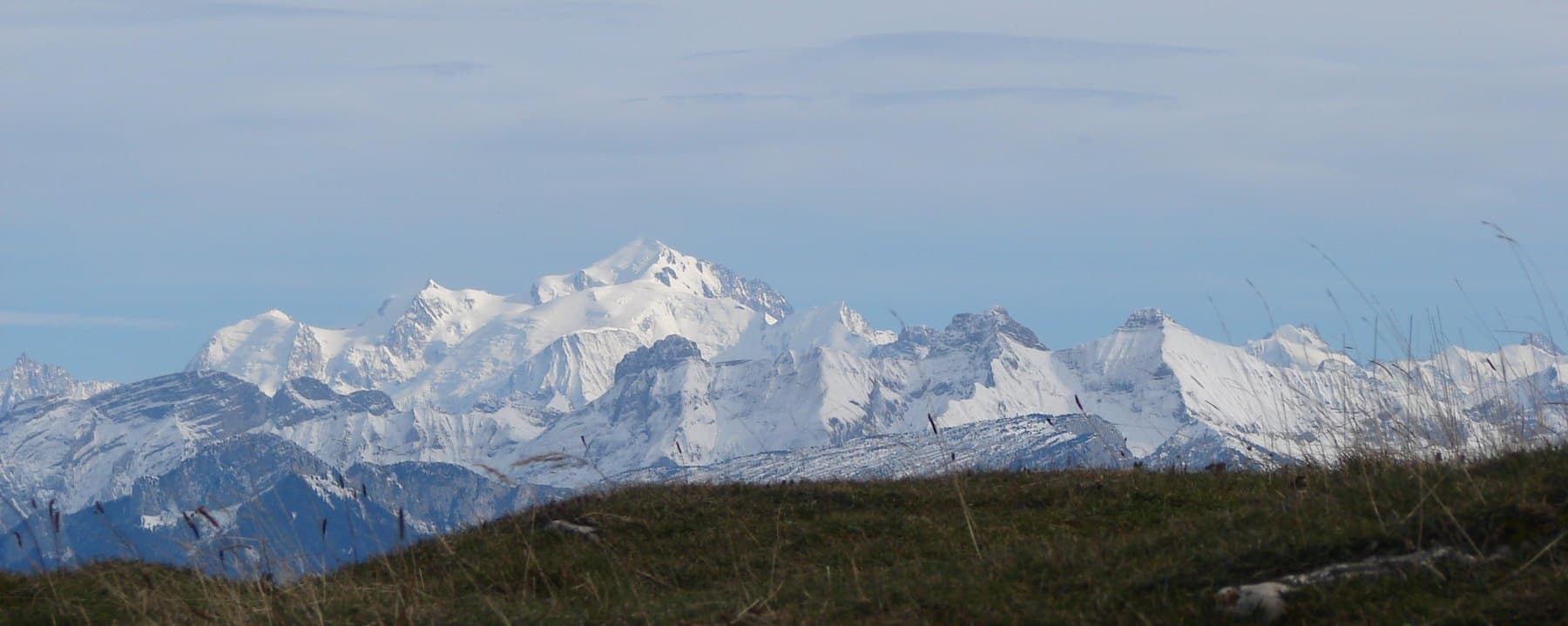
Alps: when is the best time to go hiking?
Find the best time to hike in the Alps according to altitude, snow conditions, hut openings and your experience, with practical seasonal advice.
Alps · GUIDE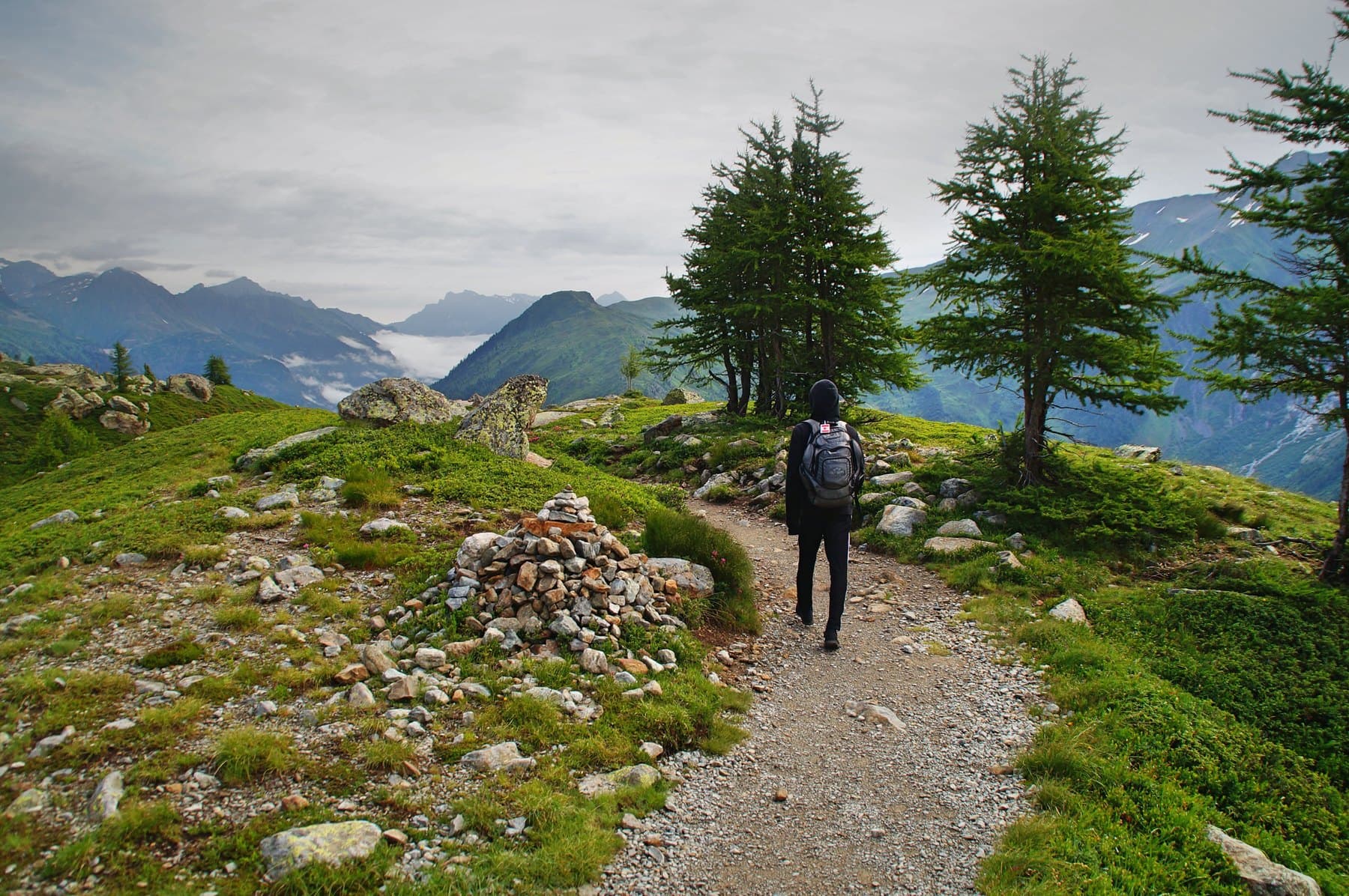
Alps hiking trip: how to plan it
Plan your Alps hiking trip: choose a mountain range, season and routes, book huts, prepare your equipment and organise transport.
Alps · GUIDE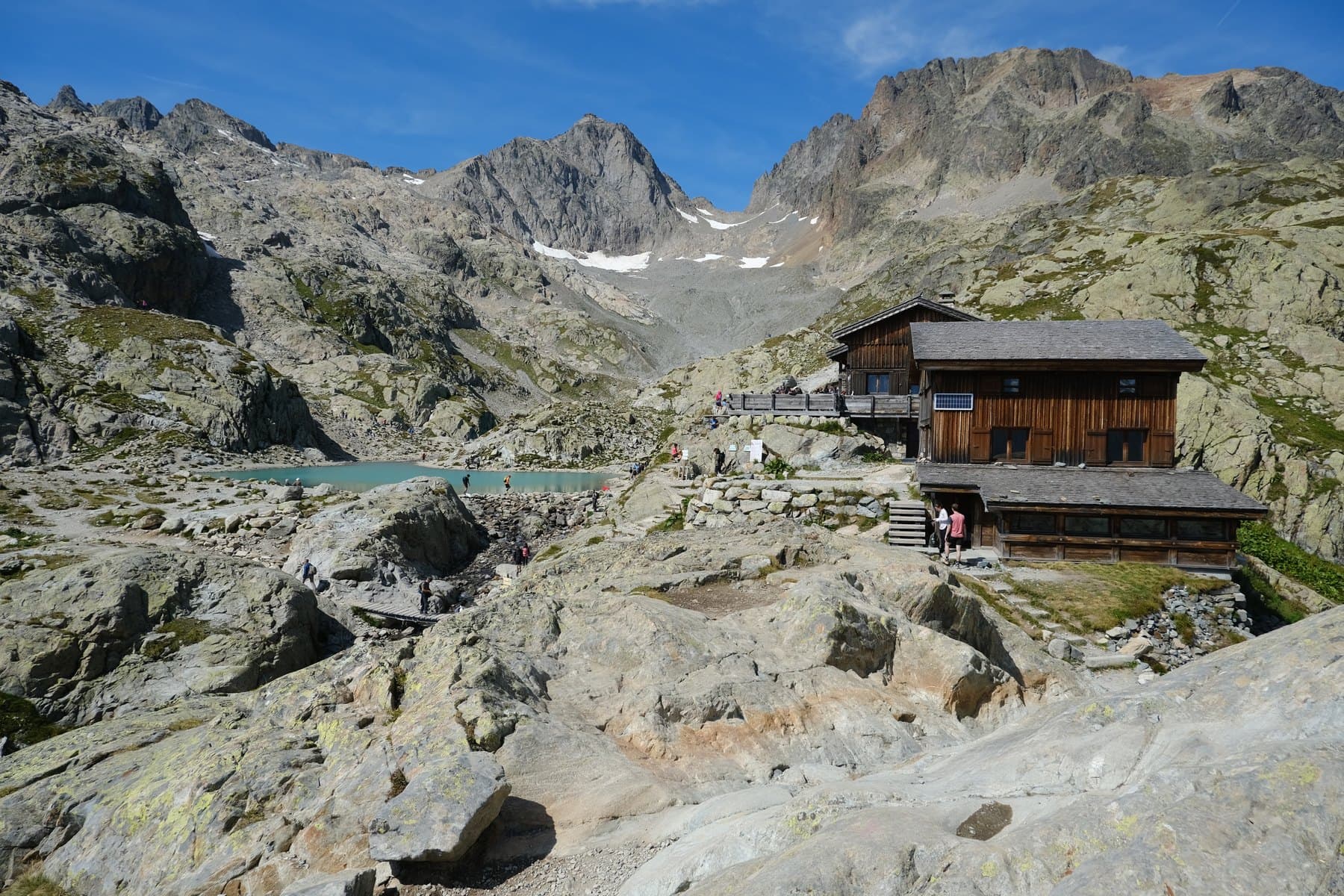
French Alps hiking trails: 5 routes in Chamonix and the Écrins
French Alps hiking trails compared: Lac Blanc, Petit Balcon Sud, Lauzon, Eychauda and Lauvitel, with distances, ascent, times and difficulty.
Alps · GUIDEWhat kind of Alps holiday should you choose?
Start with a valley and a style of holiday rather than a list of summits. A fixed base suits day walks returning to your accommodation; a multi-day journey means linking stages and arranging nights. High mountain scenery is appealing, but an enjoyable outing depends on terrain, experience and conditions. A modest goal can still offer a full mountain day.
The Alps hiking guide helps organise the stay. To choose a specific outing, use the Alpine trail comparison. Keep a valley walk as an alternative to a high objective. Check that option too, rather than assuming that lower elevation means permanent access. A flexible programme helps you enjoy the area without moving regions whenever the weather disrupts a plan.
Valleys, lakes and huts: different experiences
A valley base lets you alternate paths without moving your belongings. Compare trailhead proximity and transport, not just a village’s reputation. A neighbouring valley on the map can involve a substantial road journey. For a weekend, two nearby outings often work better than scattered starting points. Chamonix and the Vanoise are different areas: choose around the walks you want rather than treating both as one local circuit.
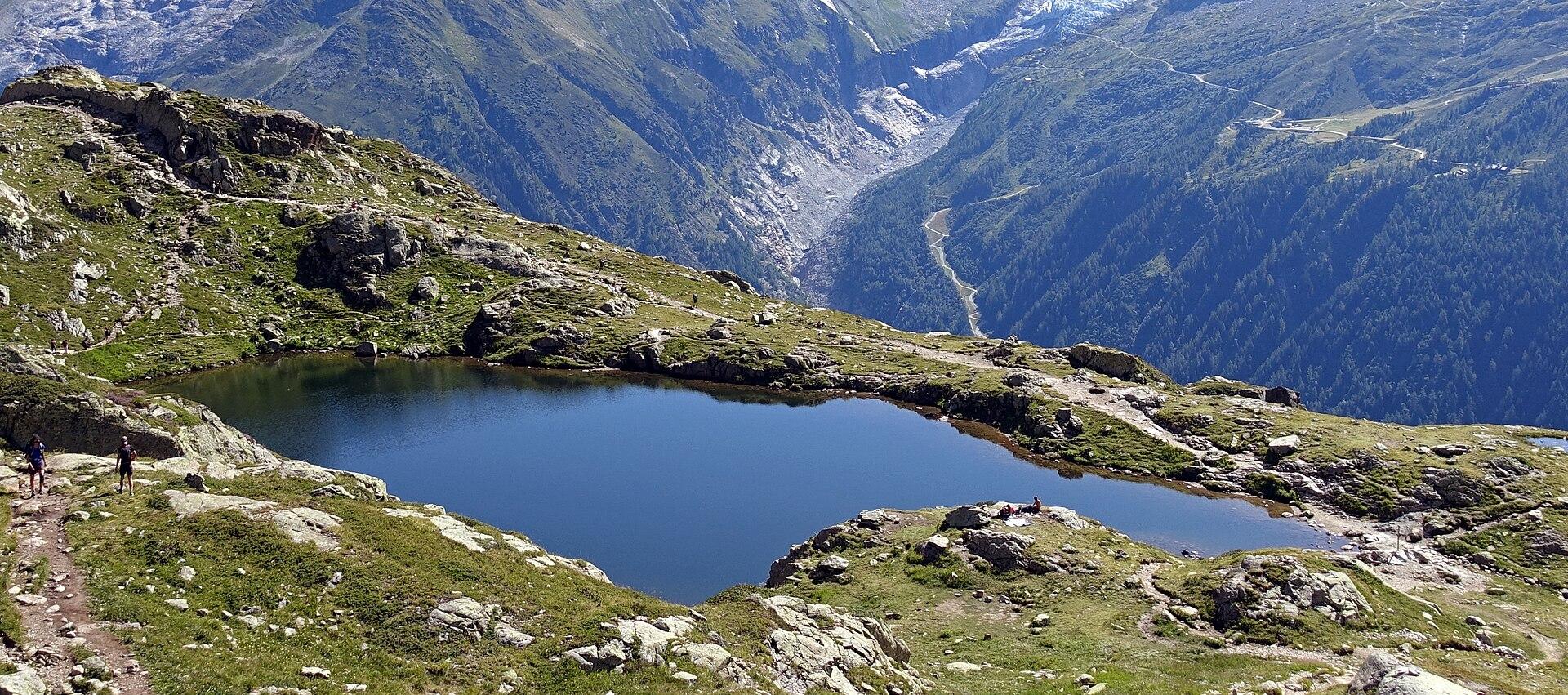
An Alpine lake is an attractive goal, not a difficulty rating. Examine the ascent, descent and intermediate passages. A waterside photograph does not necessarily show the effort required to get there. Compare the outings in our articles and then check local conditions. A famous lake should remain a possibility, not a compulsory objective regardless of weather or the group’s abilities.
A hut night offers another way to experience the mountains. It also raises questions about reservations, meals, water and sleeping equipment. A return trip with one night can be a simpler introduction than a long crossing. Check the Vanoise regulations when visiting that park. Protected areas and outdoor overnight stays do not have identical rules everywhere.
Choose your season around the elevation
Travel dates need to fit your route. Fine valley weather does not guarantee snow-free paths higher up, and an open road does not establish trail conditions. Ask for local information before choosing a pass or high lake. The guide to the best time for hiking in the Alps separates different outings instead of suggesting one date for the whole range.
If conditions exceed your experience or equipment, choose a different objective. Keeping an alternative near the accommodation is useful only when you have checked its own demands and access. Take time to review the forecast and the route before leaving. A mountain holiday becomes more enjoyable when you can change plans calmly rather than treat a booking as a reason to continue.
A suggested rhythm for three days
Use the first day for a moderate walk near your base, the second for a longer outing if everyone feels comfortable, and the third for a short walk or valley exploration. This is an adaptable holiday rhythm, not a guaranteed technical itinerary. It leaves room for travel, breaks and weather changes.
For a first multi-day journey, reduce the number of stages while getting used to pack weight and overnight arrangements. Confirm resupply and the final return transfer. A recognised route such as the Tour du Mont-Blanc, shared with Italy and Switzerland, requires stage-specific preparation. Its name alone does not describe the difficulty of your chosen section. Consider cumulative fatigue as well as individual distances before committing to consecutive mountain days.
Planning a week of hiking in the French Alps
For a week, a fixed base lets you vary your walks without packing every evening. Choose a valley with several suitable trailheads, then build the stay around different kinds of days. Start with a moderate outing, choose longer walks when the group feels comfortable and leave time for recovery. Keep at least one flexible day rather than booking seven consecutive objectives.
One possible rhythm is two walking days, a rest or valley exploration day, then two further outings followed by a lighter final day and the return journey. This is an example, not a guaranteed programme: weather, access and fatigue may change it. For a week moving between overnight stops, prepare every stage, accommodation and resupply instead. Having a week available does not mean that completing an entire crossing fits your experience or the conditions.
Accommodation, transport and equipment
Choose your accommodation around the trailheads, then check the outward and return journeys. For a one-way outing, arrange the transfer before booking. A short map distance does not guarantee a quick road journey. For an overnight stay along the route, confirm opening dates, reservations, meals and what equipment is provided. Bivouacking does not follow one universal rule across natural areas: ask about the specific location rather than assuming familiar practices apply.
Pack familiar footwear, water, food, sun and rain protection, warmth, first-aid supplies and offline navigation. Adapt this basic kit to the outing rather than copying a list for another activity. Tell someone your itinerary and expected return time. A downloaded track describes a path, but does not confirm access or suitability for the group. Leave a margin before nightfall and change the objective if conditions or your walking pace require it.
Common questions before setting off
How should you choose your first walk?
Compare distance, elevation gain, terrain and return options. A moderate outing near your accommodation helps you establish your pace before a more ambitious day. The least confident participant should guide the group’s choice. Do not pick a route only because its name or photographs are familiar. A first day should leave you comfortable enough to enjoy the remaining holiday.
Should you walk every day?
No. Alternating hikes, local exploration and rest often makes a more enjoyable holiday. A flexible day also allows you to postpone an outing when conditions are unsuitable. Leave room for travel and recovery instead of filling every available hour. You can enjoy the scenery without continually adding distance, and a relaxed afternoon can be as satisfying as another summit.
How can you respect the places you visit?
Use permitted paths, respect closures and carry out rubbish. Leave natural objects where you find them and observe animals from a distance. Check instructions about fires, pets and outdoor overnight stays. Habits acquired elsewhere do not replace local rules. Consider the people living around the trails as well as the landscape you have come to explore.