
Hiking in Spain
The gorges of the Picos de Europa, the ridges of the Sierra Nevada, Mallorca’s dry-stone paths and the Canary volcanoes: Spain has hikes for every season.
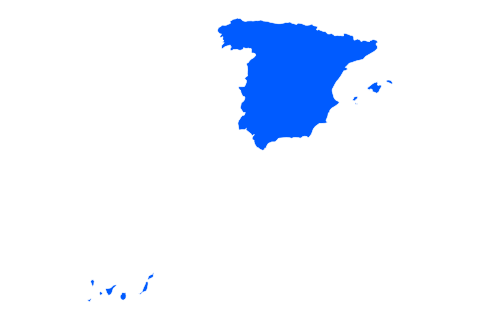
Hiking places
Routes to explore
- GR11
- GR221
- Ruta del Cares
- Camino Francés, partagé avec la France
Hiking guides
Where to hike in Spain
Spain brings together very different mountains. In the north, the Pyrenees and the Picos de Europa have a damp mountain climate and are mainly summer destinations. In the south, the Sierra Nevada holds the highest peaks of the mainland. The islands, from Mallorca to Tenerife, La Gomera and La Palma, allow walking for much of the year.
Choose the region by season before choosing the trail. The same week in July can be ideal in the Pyrenees and too hot in Andalusia or Mallorca. For a first trip, a single base with several walks of increasing difficulty remains the most flexible option.
Choosing your region
Pyrenees: the Spanish side of the range
On the Spanish side, the Pyrenees include Ordesa y Monte Perdido and Aigüestortes i Estany de Sant Maurici national parks. The GR11 crosses the whole range from the Mediterranean to the Atlantic, but it can also be walked in sections. Our Pyrenees hiking guide compares the French and Spanish areas, and which trails to choose covers the hike to Cola de Caballo in Ordesa.
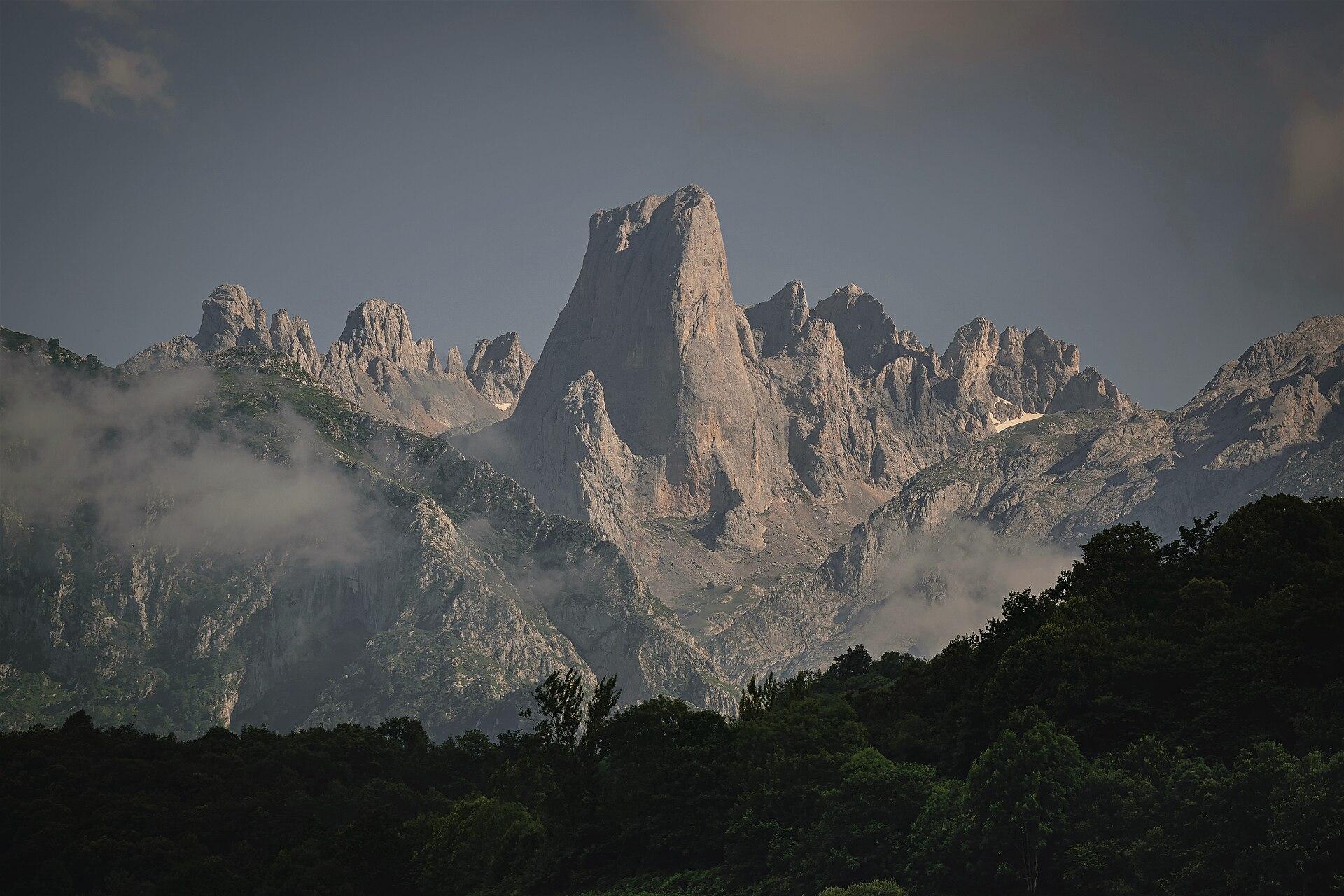
Picos de Europa: limestone gorges and the Cares Trail
The Picos de Europa are a limestone massif shared by Asturias, Cantabria and the province of León. Their best-known path, the Cares Trail (Ruta del Cares), links Poncebos and Caín over about 11 to 12 km, following an old canal cut into the cliff above the Cares river. The route is linear: either walk out and back or arrange transport to return to your start.
To choose a base and combine the Cares, Bulnes and the Covadonga lakes, read our guide to planning a Picos de Europa hiking trip.
The trail is busy but not trivial. It runs along drops, sometimes without railings, and passes through tunnels. Avoid it in rain or storms and keep children close.
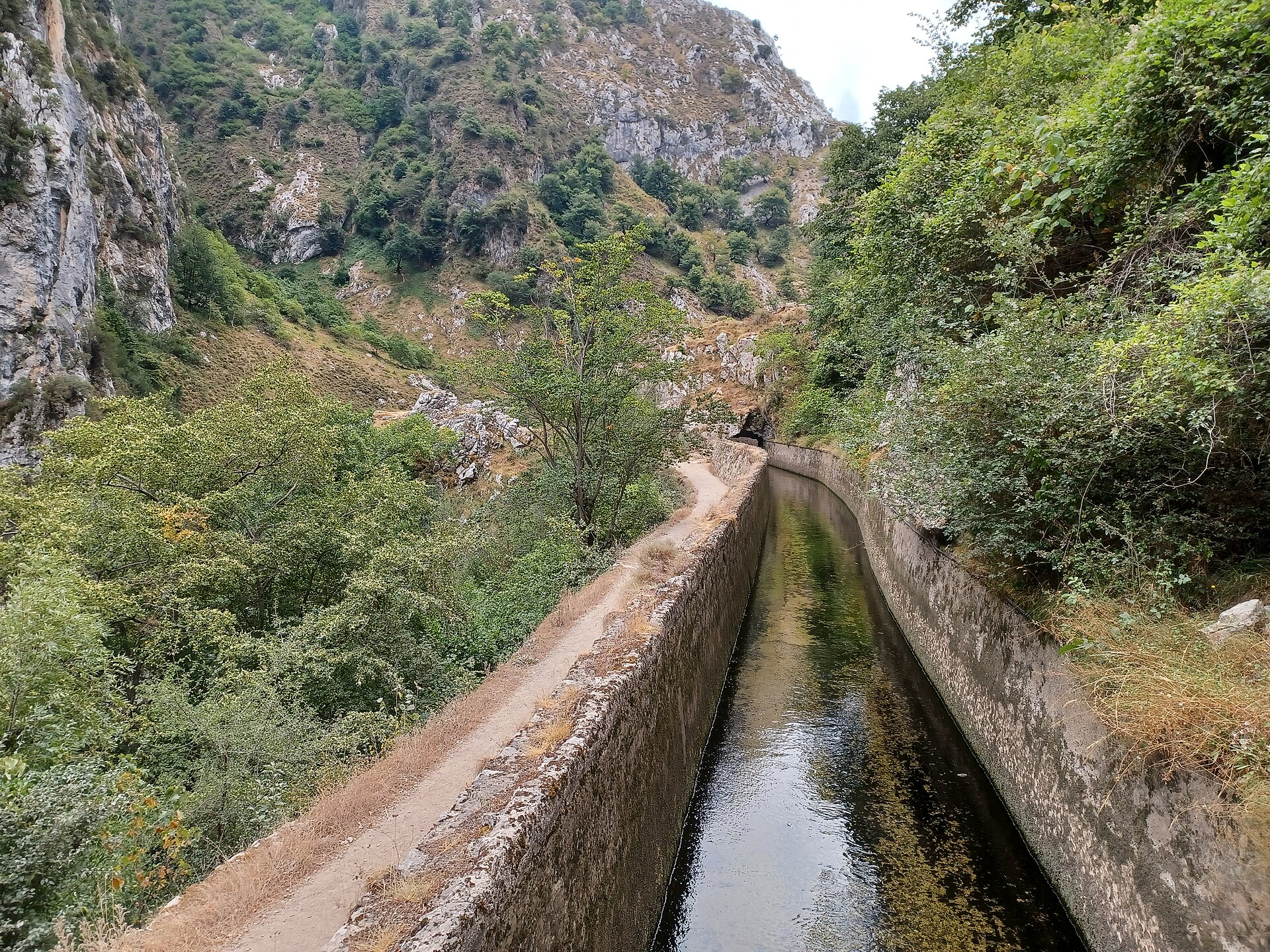
The Cares Trail cut into the cliff near Caín — Photo: Simon Burchell · CC BY-SA 4.0.
Sierra Nevada: the highest peaks on the mainland
Above Granada, the Sierra Nevada rises to Mulhacén, at 3,479 m the highest point of mainland Spain. The range, protected as a national park, offers high-altitude summer hikes and glacial lakes. Valley heat, altitude and lingering snow early in the season call for mountain preparation.
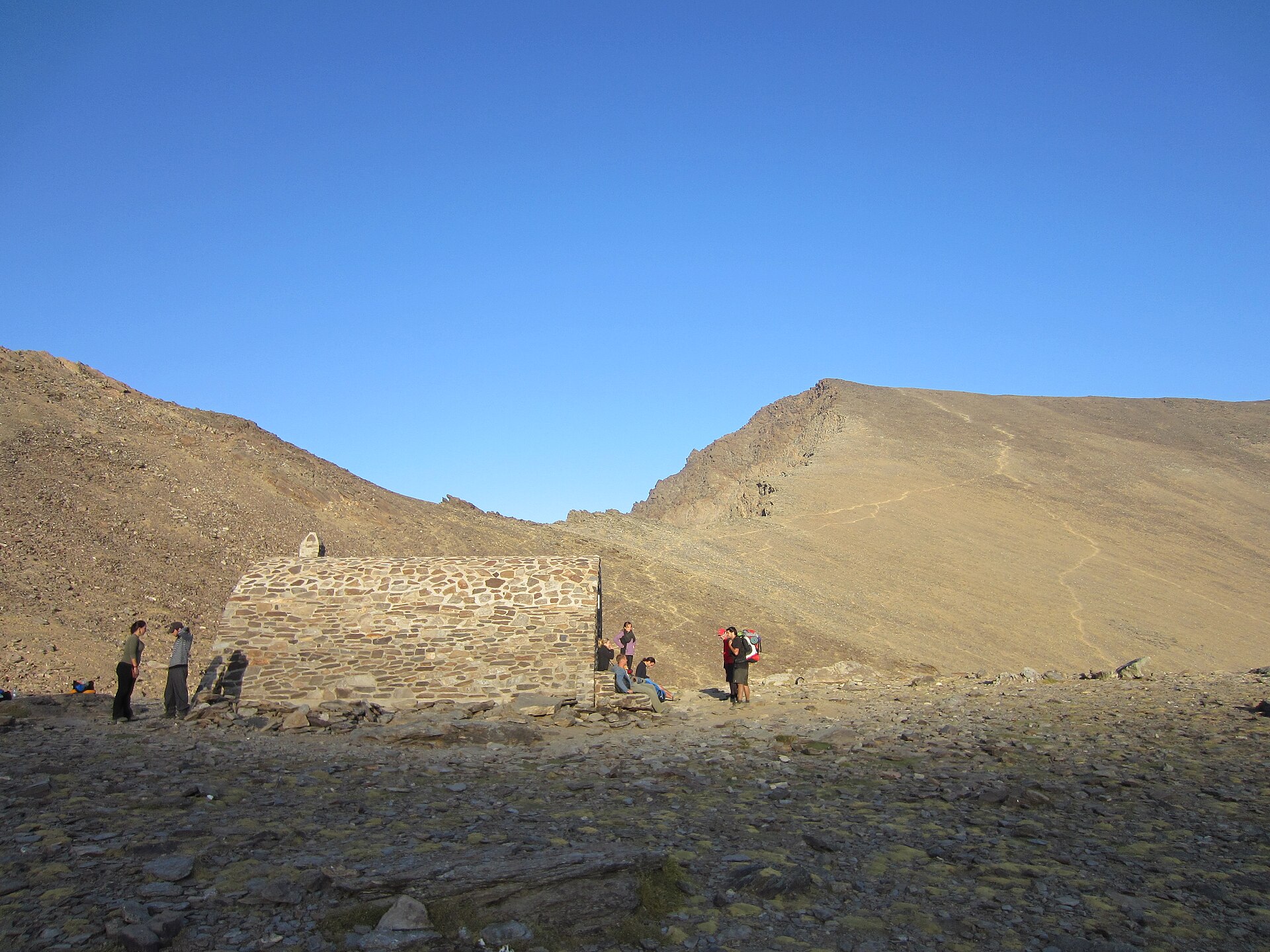
The west face of Mulhacén and the Caldera refuge, Sierra Nevada — Photo: Torobravo2011 · CC BY-SA 3.0.
Mallorca: the Serra de Tramuntana and the GR221
On Mallorca’s north-west coast, the Serra de Tramuntana is a UNESCO World Heritage cultural landscape of terraced slopes. The GR221, known as the Dry Stone Route (Ruta de Pedra en Sec), crosses it in stages linking villages and refuges. Spring and autumn are more comfortable than midsummer.
Canary Islands: volcanoes and laurel forests
The Canaries are suitable for hiking almost all year. On Tenerife, Teide National Park surrounds Spain’s highest summit. To reach the top on the Telesforo Bravo path, above the upper cable-car station, a named permit is required; it is booked online on the Cabildo’s official platform and places are limited. La Gomera has Garajonay National Park and its laurel forest, and La Palma the Caldera de Taburiente.
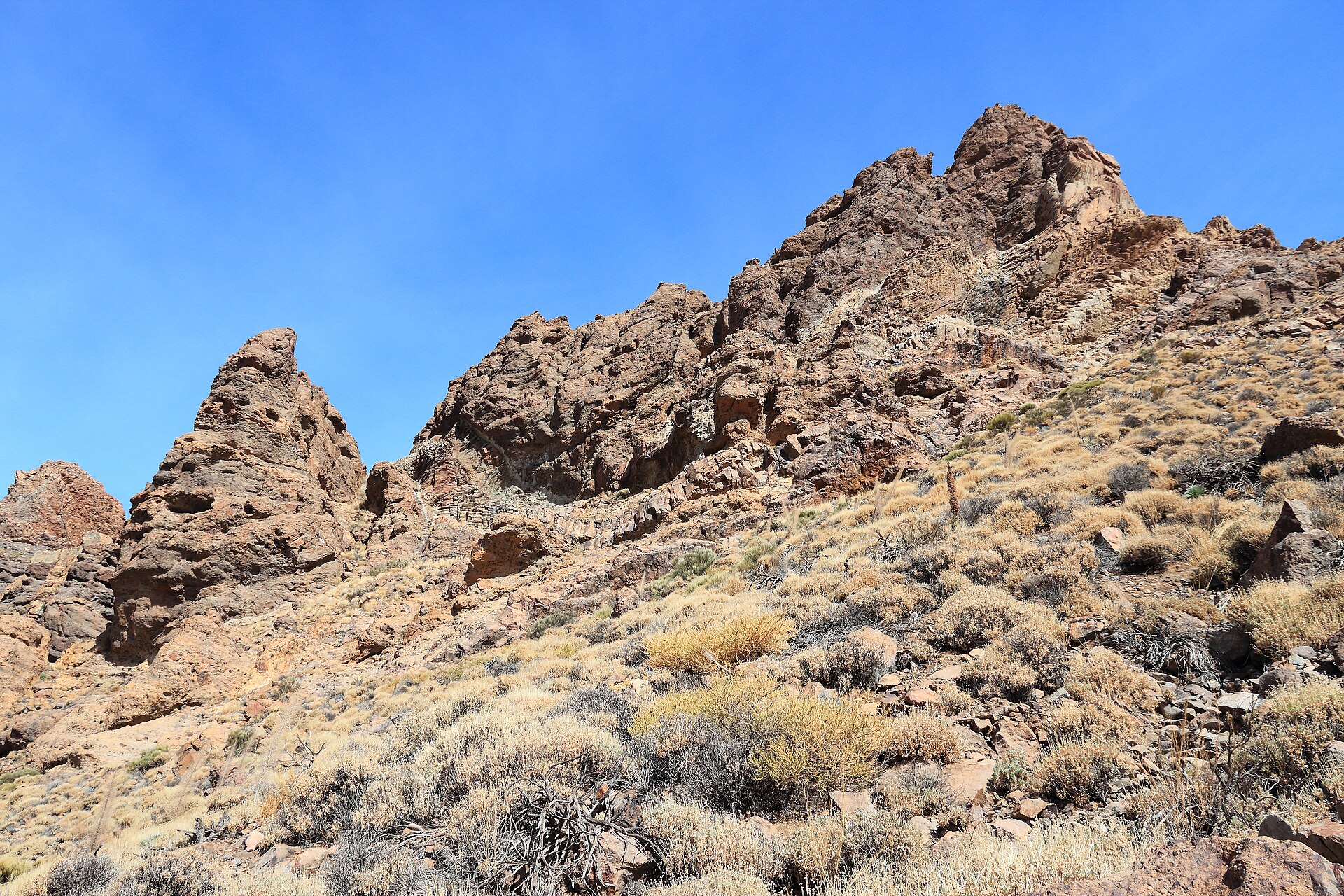
The Roques de García trail in Teide National Park — Photo: Marek Ślusarczyk (Tupungato) · CC BY 3.0.
When to go hiking in Spain
- Pyrenees, Picos de Europa and high Sierra Nevada: June to September, depending on the year’s snow. Early in the season, snow patches may remain on high passes.
- Mallorca, Andalusia and the interior: spring and autumn. Summer brings strong heat that makes long exposed days tiring or even dangerous.
- Canary Islands: all year, with cooler conditions at altitude and a risk of snow on Teide in winter.
In every case, check the mountain forecast the day before and start early to avoid the hottest hours.
To compare with other destinations, see our month-by-month calendar of the best time to go hiking.
Access, permits and accommodation
Several popular places regulate access. Besides the Teide summit permit, some parks restrict private vehicles in high season and run shuttle buses; Ordesa is one example. Check the rules for your dates on the relevant park’s website.
Mountain refuges should be booked ahead in summer, especially on the GR11 and GR221. For day hikes, a valley or village base is simpler. Linear trails such as the Cares Trail need a plan for the return.
Gear and safety
Carry enough water, sun protection, a hat, warm layers for altitude and a rain jacket. In the Picos de Europa, fog can come down quickly, so an offline map and a fallback route are useful. In summer, start early and plan to finish before the hottest part of the day.
In an emergency, the European number 112 works in Spain. Tell someone your route before an isolated hike.
Frequently asked questions about hiking in Spain
Which region is best for a summer hike?
The Pyrenees and the Picos de Europa are best suited to summer. Andalusia and Mallorca are generally more pleasant in spring and autumn.
Do I need a permit to climb Teide?
Yes for the final section, the Telesforo Bravo path: a named permit is required and is booked online, with limited places. Show your ID at the checkpoint.
Is the Cares Trail difficult?
The main section has little climbing, but it is long, linear and runs along drops. Plan your return, carry water and avoid it in bad weather.
Can I hike in Spain in winter?
Yes, especially in the Canaries and on lower ranges in the south. High ranges such as the Sierra Nevada and the Pyrenees require winter mountain equipment and experience.