
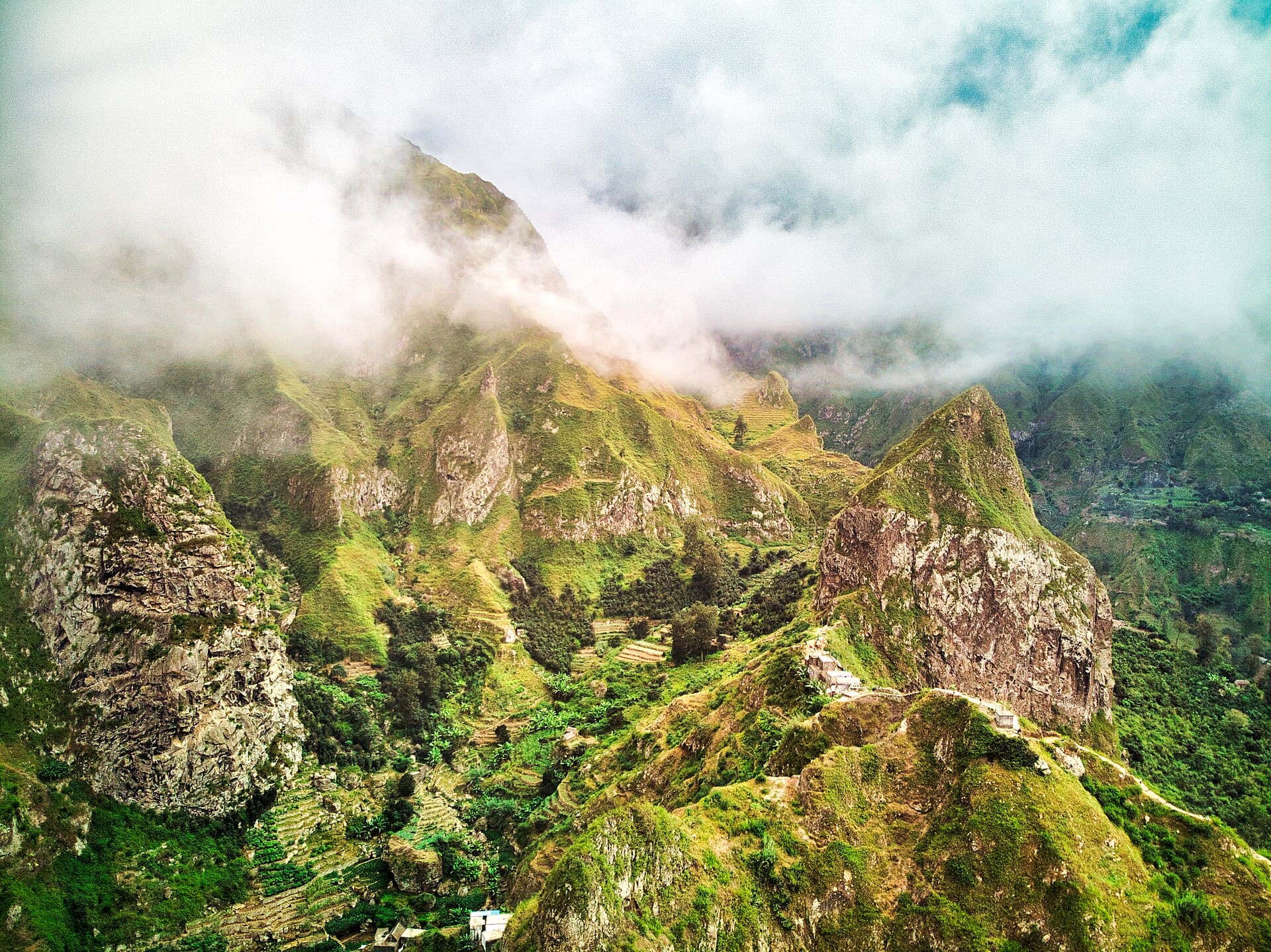
Quick answer: what is the best time of year to go hiking?
There is no single best time of year to go hiking everywhere: it depends on the hemisphere, the altitude and the rainy season of your destination. In northern-hemisphere mountains such as the Alps, the main season runs from July to early September. In tropical countries, you hike in the dry season, which falls in very different months: November to April in Cambodia, April–May to October in Indonesia. In the southern hemisphere, Patagonia is hiked in the austral summer, from November to March. So pick your travel month first, then the destination that matches it.
| At a glance | |
|---|---|
| Northern-hemisphere mountains | June to September depending on altitude and snow |
| Tropics | Dry season, which varies by country |
| Southern hemisphere | November to March for Patagonia |
| Year-round destinations | Canary Islands, Cape Verde (outside August–October) |
| Always check | Trail openings, huts, seasonal closures |
Three rules for choosing when to hike
1. Altitude shifts the season. A valley can be green in May while passes stay snowbound until July. A destination that is “open” in spring is not necessarily open at 2,500 m.
2. In the tropics, rain matters more than temperature. The rainy season makes trails slippery, raises rivers and sometimes triggers official closures: Rinjani, on Lombok, closes every year from January to March.
3. Peak season has a cost. The best months are also the busiest: permits sell out, huts fill up, access gets regulated. Shoulder months often offer a good compromise if you accept less stable weather.
Calendar: where to hike each month
| Month | Good destinations | Worth knowing |
|---|---|---|
| January | Ethiopia, Cambodia, Cape Verde, Chile (Patagonia), Philippines, Canary Islands | Austral summer in Chile; dry season in the tropics |
| February | Ethiopia, Cambodia, Cape Verde, Chile, Philippines, Canary Islands | Patagonia very busy in January–February |
| March | Ethiopia, Cape Verde, Philippines, Bhutan | End of the season in Chile; heat in Cambodia |
| April | Bhutan, Cape Verde, Philippines, Spain (Mallorca, Andalusia), Malawi | Dry season starts in Indonesia |
| May | Bhutan, Spain (spring), Malawi, Indonesia, Ireland | Rhododendrons in bloom in Bhutan |
| June | Ireland, Malawi, Indonesia, Mongolia, Pyrenees and Picos de Europa | Snow patches possible at altitude early in the month |
| July | French Alps, Pyrenees, Mongolia, Ireland, Indonesia, Malawi | Peak mountain season: book huts |
| August | Alps, Pyrenees, Mongolia, Ireland, Indonesia, Malawi | Afternoon storms in the mountains |
| September | Alps (early in the month), Mongolia (early), Ireland, Indonesia, Bhutan | Fewer people in the Alps |
| October | Bhutan, Ethiopia, Spain (Mallorca, Andalusia), Indonesia | End of the dry season: fire risk in Indonesia |
| November | Bhutan, Ethiopia, Cambodia, Cape Verde, Chile, Canary Islands | Austral summer begins in Patagonia |
| December | Ethiopia, Cambodia, Cape Verde, Chile, Philippines, Canary Islands | Short days and snow in Europe’s mountains |
This calendar shows the generally favourable periods described on our country pages. Each page details the nuances by region.
December to March: winter in the north, summer in the south
When snow closes high trails in Europe, several destinations reach their best season. In Ethiopia, the dry season, roughly October to March, suits the Bale Mountains plateaus; check the security situation first, as the Simien Mountains are advised against in 2026. In Cape Verde, Santo Antão is best from November to June, outside the August–October rains.
In Cambodia, November to January combines dry weather with more bearable temperatures for forest treks. In the southern hemisphere, Chilean Patagonia enjoys its austral summer from November to March, with long days but heavy crowds at Torres del Paine in January and February.
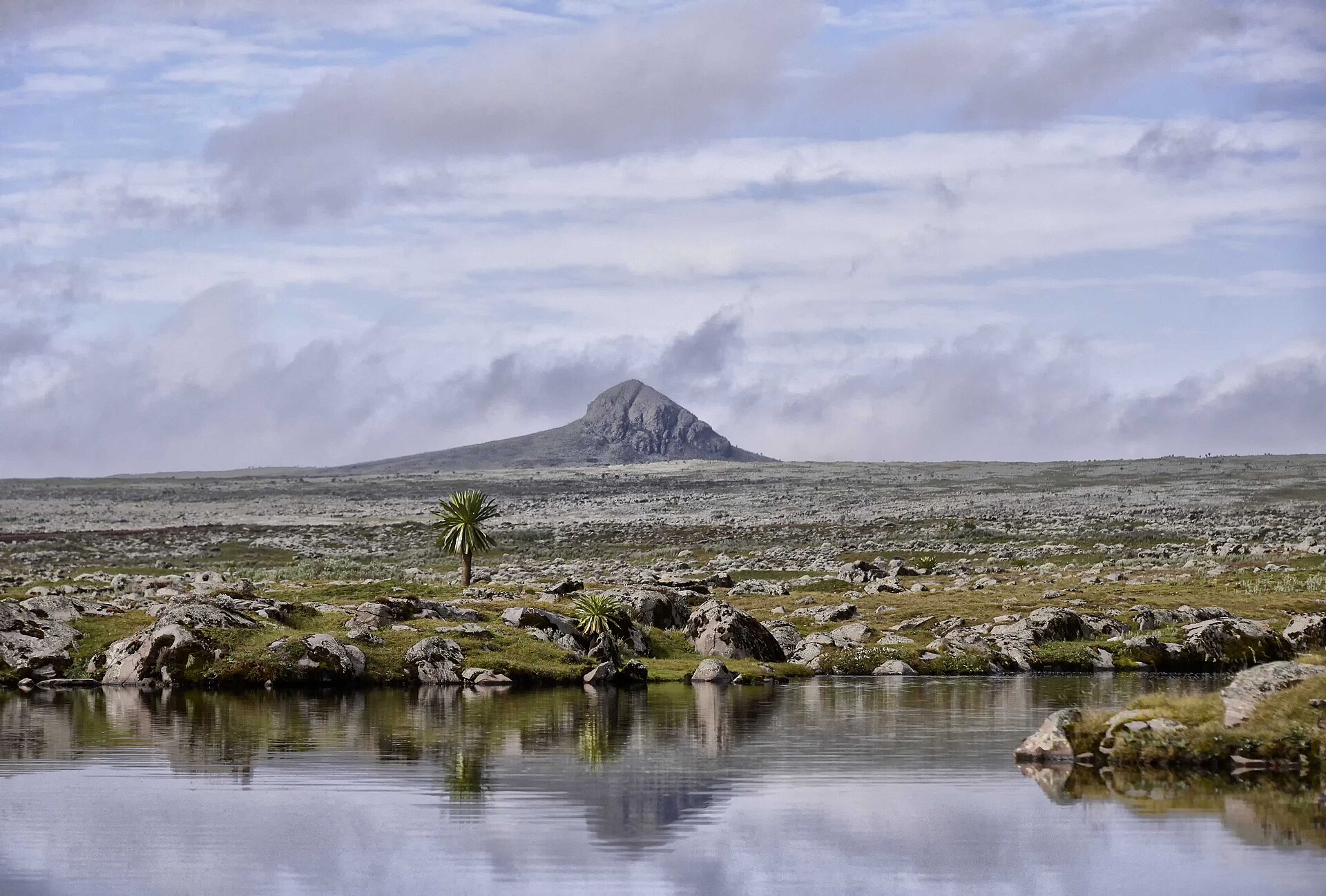
The Sanetti Plateau in Ethiopia’s Bale Mountains — Photo: Rod Waddington · CC BY-SA 2.0.
April to June: spring and dry seasons
Spring is the season for Mediterranean walks: in Mallorca, Andalusia and inland Spain, it avoids summer heat. In Bhutan, March to May is rhododendron season. In Malawi, the cool dry season starts around mid-April and lasts until August, the right time for the Mulanje massif.
In Indonesia, the dry season runs from April–May to October, the time for volcano treks on Java, Bali, Lombok and Flores. In June, Mongolia opens its short hiking season, and Spanish ranges such as the Picos de Europa shed their last snow patches.
July to September: the northern mountain season
Summer is the main season for the great mountains of the northern hemisphere. In the Alps, July, August and early September are the first periods to consider for high trails, once passes are clear and huts open. The Pyrenees and Picos de Europa follow a similar calendar, from June to September depending on snow.
In Mongolia, the window is short: June to August, with a margin into early September. In the Altai, snow can fall at any point in summer. In Ireland, May to September brings the longest days, but rain is possible every day.
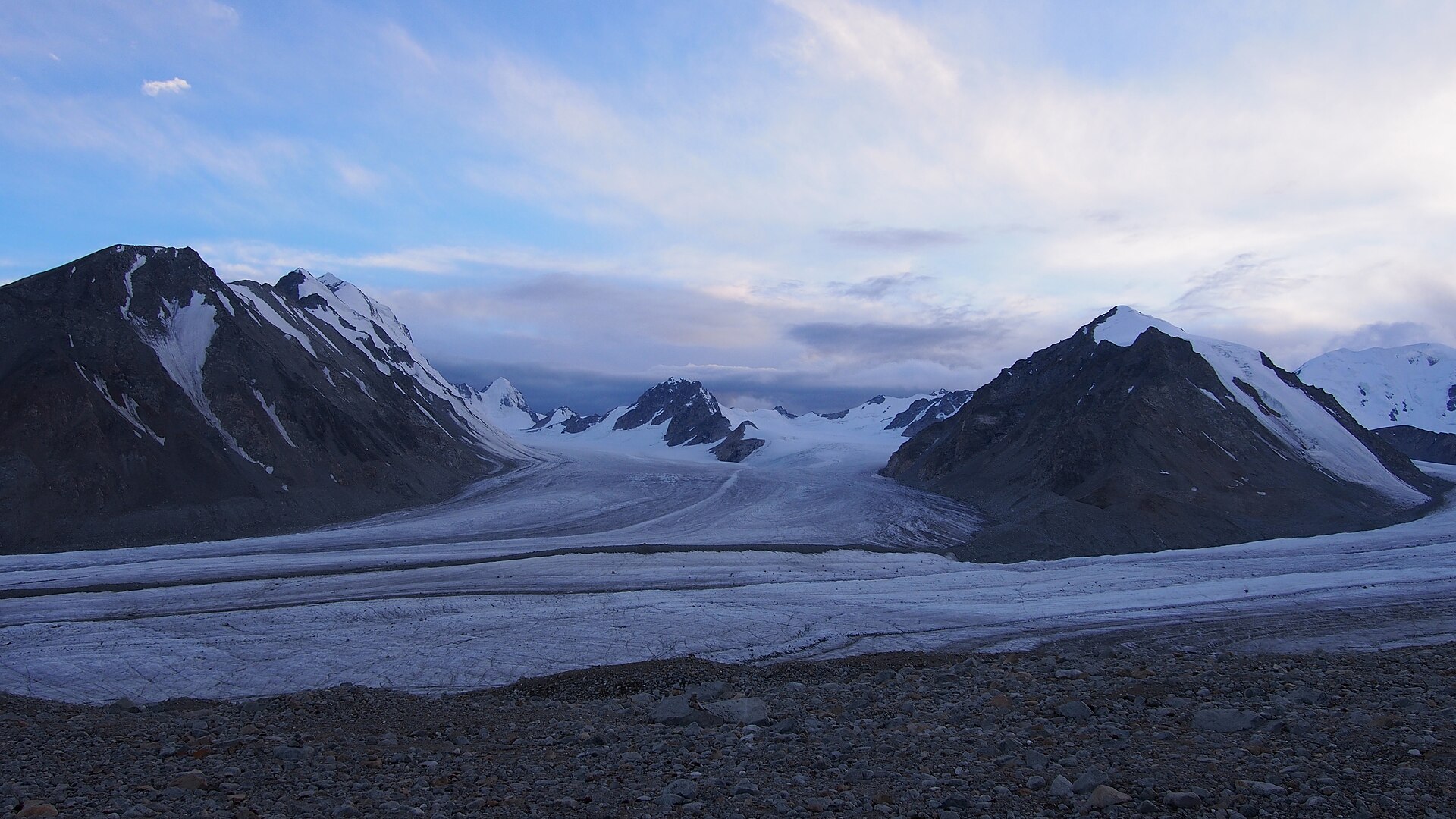
The Potanin Glacier in the Mongolian Altai — Photo: FanousF · CC BY-SA 4.0.
October and November: autumn, the season of clear views
Autumn often brings the clearest views of the Bhutanese Himalaya, from September to November. In Ethiopia, October and November combine landscapes still green after the rains with clearer skies. Cooler weather also reopens the walking season in Mallorca and Andalusia.
In Indonesia, the end of the dry season can bring fires and closures: in September 2026, Rinjani National Park suspended new bookings because of fire risk. Check official announcements before booking.
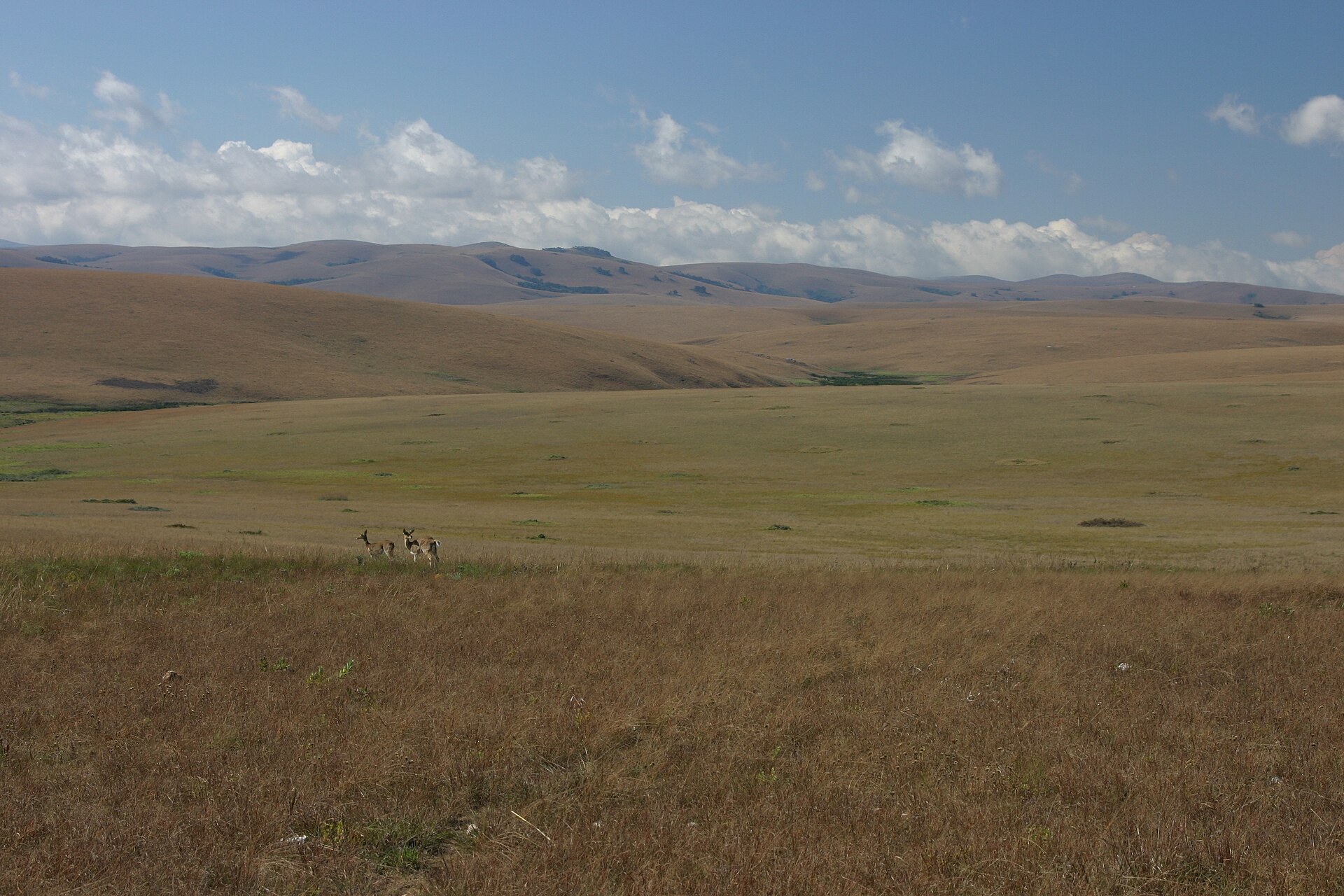
The grasslands of the Nyika Plateau, Malawi — Photo: Thomas Wagner · CC BY-SA 3.0.
Hiking all year round: four-season destinations
A few destinations stay walkable almost all year. The Canary Islands offer hikes in every season, with cooler conditions at altitude and a risk of snow on Teide in winter. Chile’s Atacama Desert can be hiked for much of the year, with freezing nights at altitude during the austral winter.
These destinations suit trips outside the summer holidays. They still need the same checks: mountain weather, daylight hours and trail openings.
How to check the season before you book
- Read the “When to go” section of the country page, which distinguishes regions.
- Look for official seasonal closures: national parks, huts, permit-only trails.
- Check whether a quota or booking fills up in peak season.
- Compare daylight hours: in autumn and winter, they limit stage length.
- Keep at least one spare day in your plan.
Frequently asked questions about the best time of year to go hiking
What is the best time of year to go hiking in European mountains?
At altitude, generally July to early September, once passes are clear and huts are open. Valleys and Mediterranean regions are better in spring and autumn.
Where can you hike in winter?
In the southern hemisphere (Patagonia from November to March), in the tropics during the dry season (Ethiopia, Cambodia, the Philippines, Cape Verde) or in the Canary Islands.
Where can you hike in spring?
In Bhutan for the rhododendrons, in Mediterranean Spain, in Malawi from mid-April and in Indonesia from April–May.
Does the rainy season stop all hiking?
Not always, but trails get slippery, rivers rise and some parks close. Check official closures before booking.
What is the best month to go hiking?
There is no single one: September is a good compromise for the Alps, November for Bhutan or Ethiopia, January for Patagonia. It all depends on the destination.
Sources
This calendar summarises the “When to go” sections of our country pages, which rely on the official sources cited on each page, checked between 3 and 10 October 2026. Rinjani closure: Antara; booking suspension in September 2026: Metro TV News.