
Hiking in Mongolia
Open steppe, vast lakes and the snow-capped Altai: Mongolia rewards walkers who want space and solitude, provided transport, self-sufficiency and permits are planned ahead.
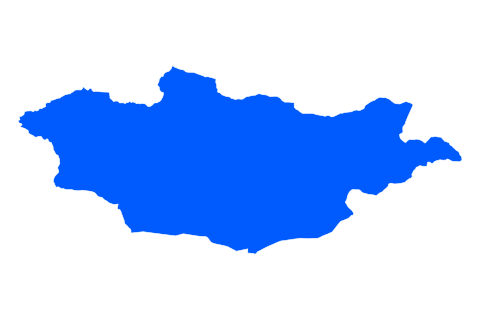
Hiking places
Routes to explore
- Treks d'Altaï Tavan Bogd à définir
Hiking guides
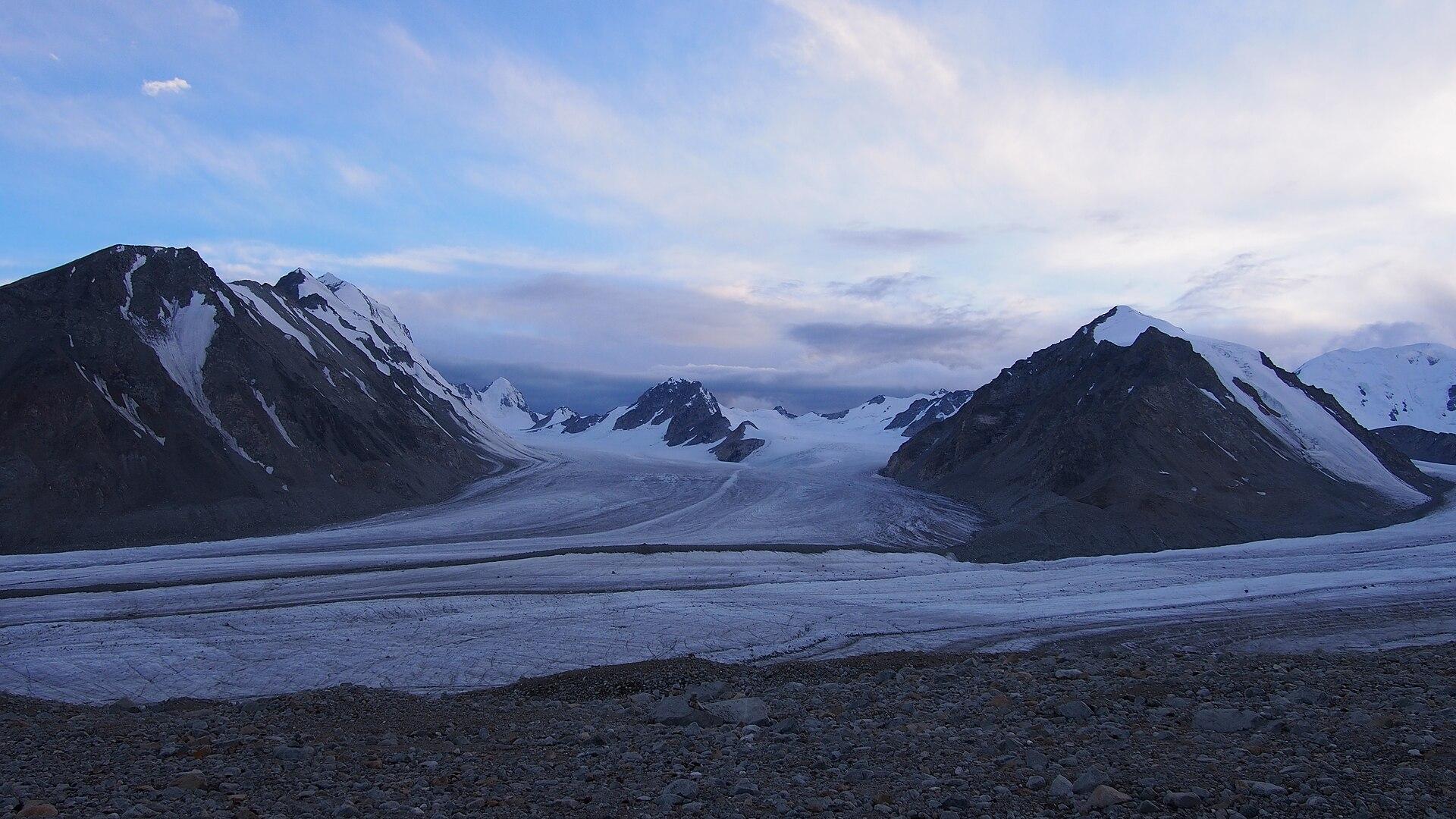
Where to hike in Mongolia
Hiking in Mongolia is very different from a European mountain holiday. Distances are huge, waymarked trails are rare and villages are far apart. Most walking happens on organised treks, with a vehicle or pack animals carrying the gear and nights in tents or gers. Three regions account for most trips: the Altai in the far west, Lake Khövsgöl in the north and the Khangai Mountains in the centre.
For a first trip, choose one region. Reaching the Altai from Ulaanbaatar is already a long journey, and combining all three quickly turns the holiday into a series of transfers. Then compare the level of self-sufficiency required: a day walk from a camp has little in common with a multi-day crossing without resupply.
Three regions to build your trek
Altai: glaciers and the country’s highest peak
Altai Tavan Bogd National Park, in Bayan-Ölgii province, holds Mongolia’s highest mountains. Khüiten Peak, the country’s highest point at 4,374 m, rises above the Potanin Glacier. Approach treks follow glacial valleys, lakes and summer pastures used by Kazakh herding families.
Base camp, lakes, permits and access from Ölgii: see our guide to planning an Altai trek.
Climbing Khüiten is glacier mountaineering, not hiking. For a trek, realistic goals are base camp, the neighbouring valleys or the park’s lakes. The area lies in a border zone: as well as the park permit, you need a border-zone permit, usually arranged through a licensed local operator several weeks in advance. Check the current procedure before booking domestic flights.
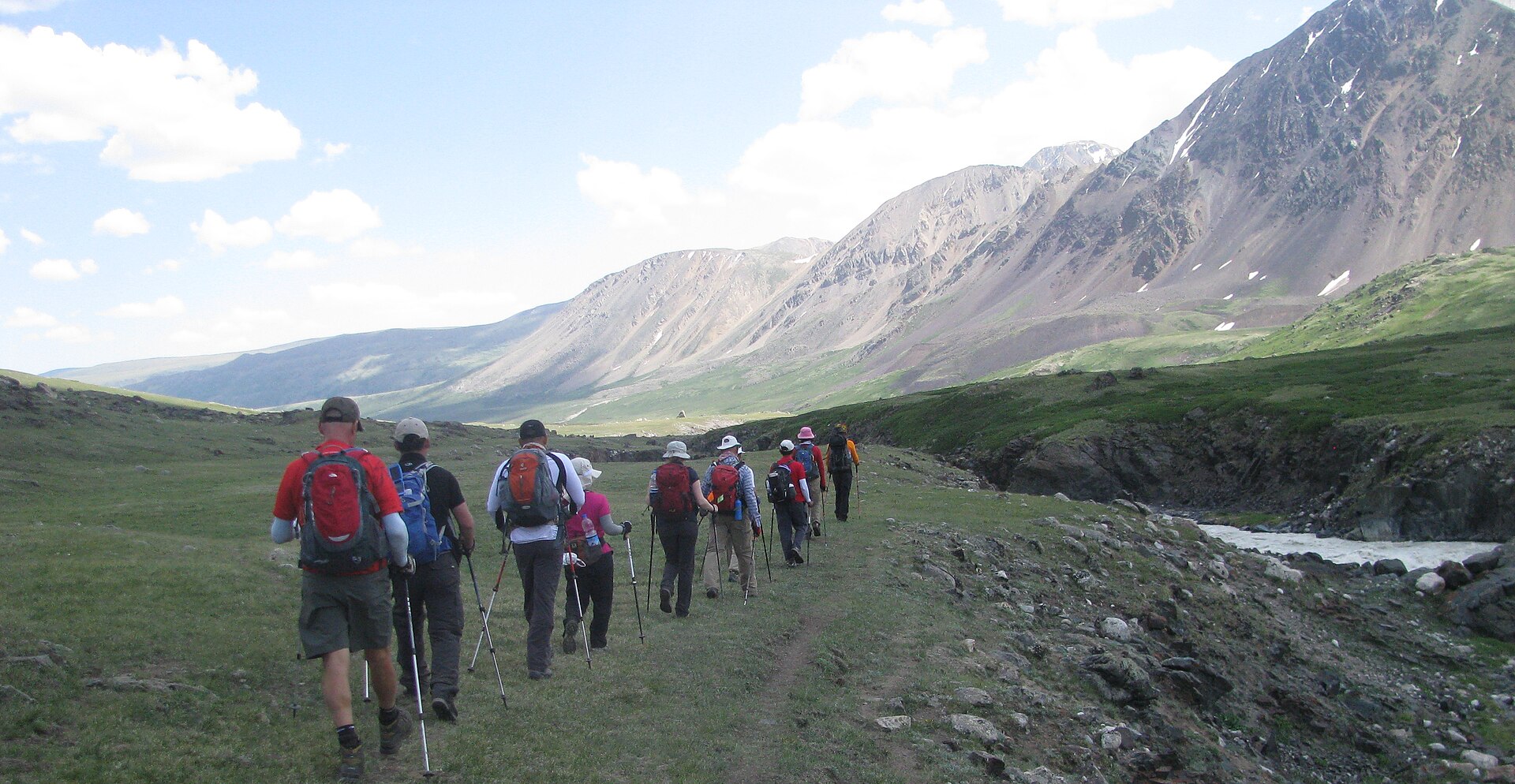
Hikers in a valley of the Altai Tavan Bogd massif — Photo: Mongolia Expeditions · CC BY 3.0.
Khövsgöl: larch forests and the great northern lake
Lake Khövsgöl, in the north near the Russian border, is one of Asia’s major freshwater reserves. Its shores mix larch forest, meadows and hills where you can walk for the day from a camp or link several stages. It is a more accessible way to discover Mongolia on foot without glacier travel.
The lake is protected as a national park. Check entrance fees and camping rules locally, and expect cold nights even in summer. Paths are often tracks shared with herders and their animals, so an offline map and local support remain useful.
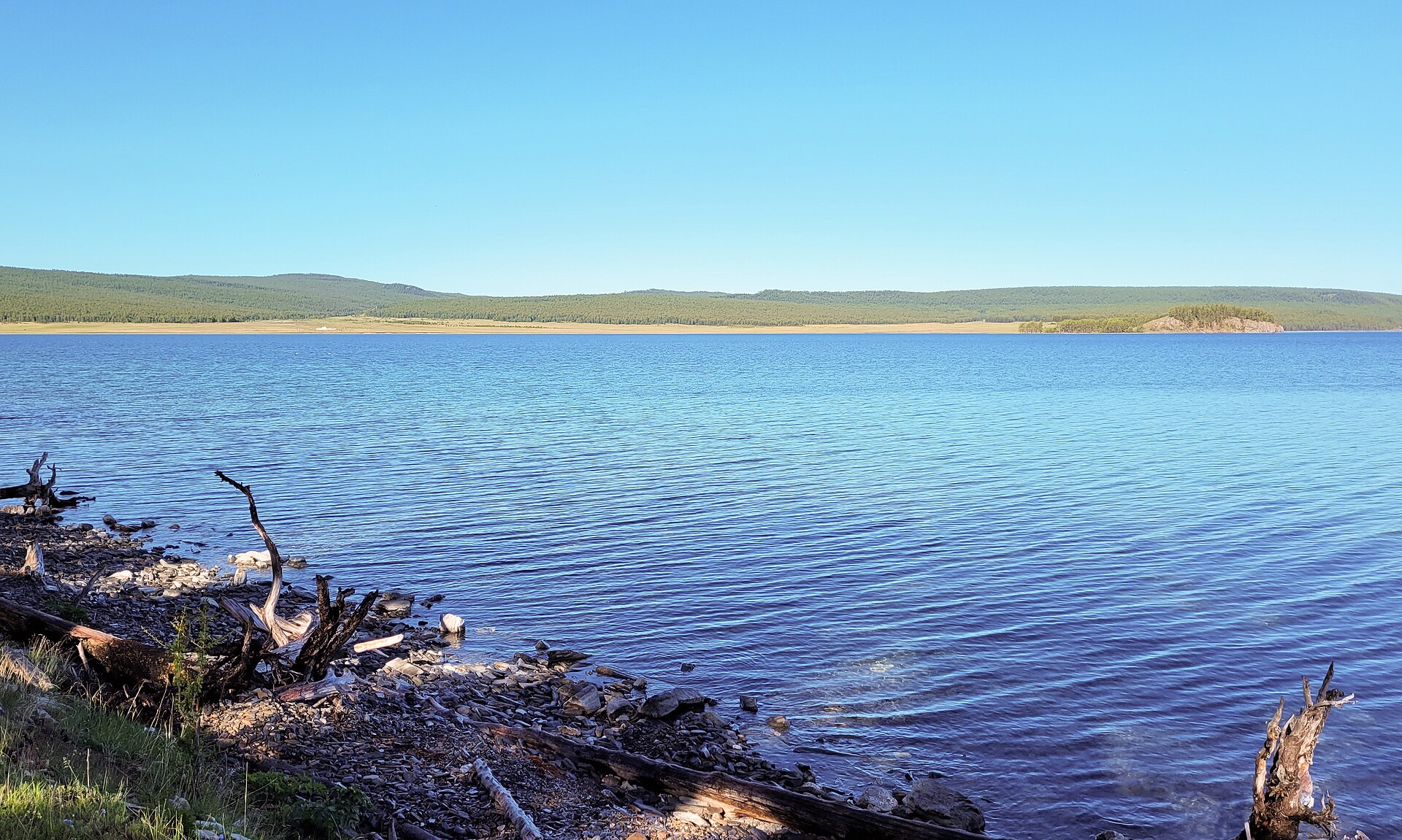
Lake Khövsgöl in northern Mongolia — Photo: Bernard Gagnon · CC0.
Khangai: steppe, valleys and nomadic heritage
The Khangai Mountains fill the centre of the country, with broad valleys, hot springs and summer pastures. The Orkhon Valley, whose river rises in this range, is a UNESCO World Heritage cultural landscape. Hikes here often combine walking, historical sites and nights with families or in ger camps.
The region suits travellers looking for open landscapes and moderate walking rather than an altitude goal. Distances between sites are still large, so a vehicle with a driver is usually needed between walking areas.
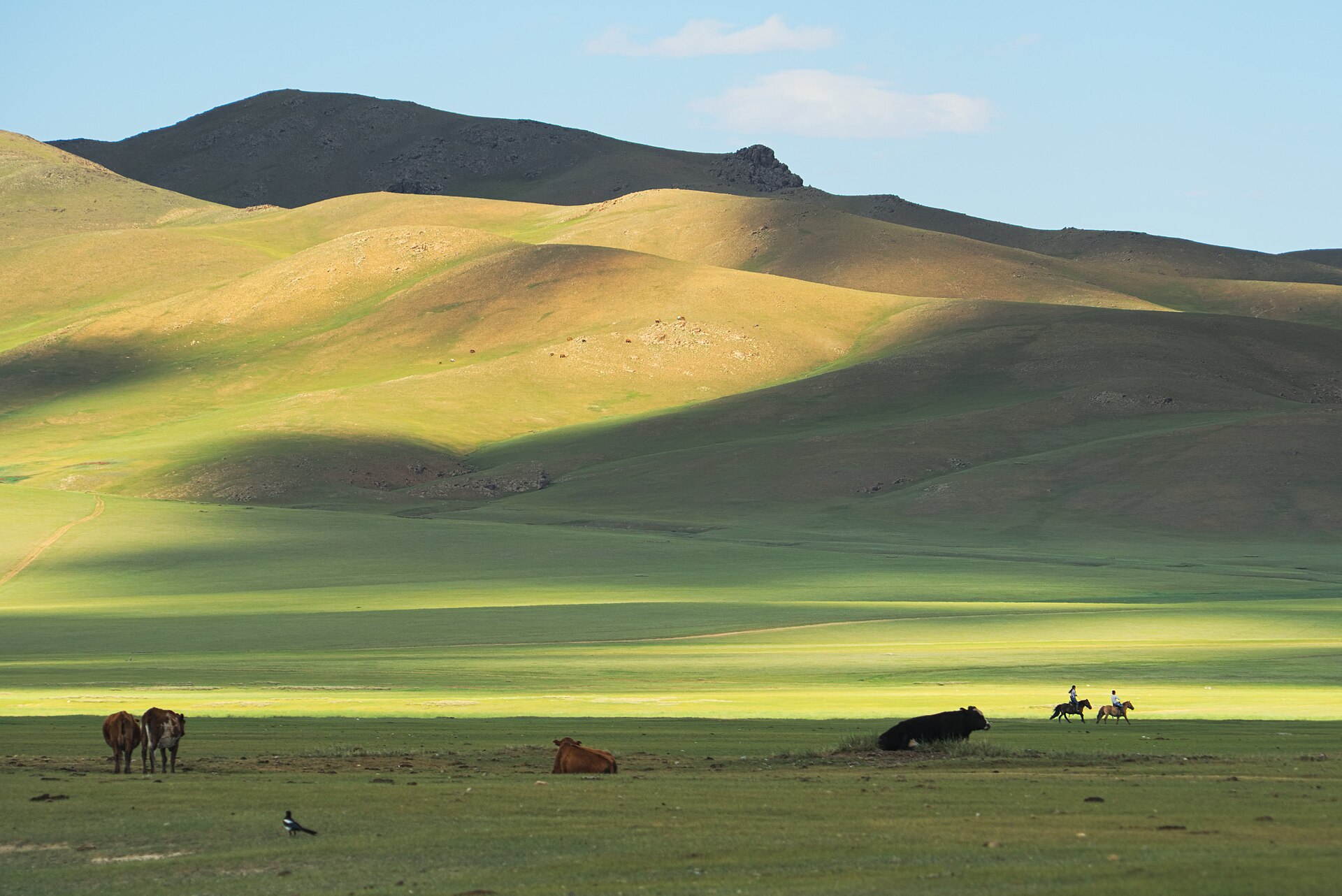
The Orkhon Valley below the Khangai Mountains — Photo: Sergio Tittarini · CC BY 2.0.
When to go hiking in Mongolia
The hiking season is summer, from June to August, with some margin into early September. The climate is continental: days can be warm, but nights stay cold at altitude and snow can fall at any time in the Altai. Summer is also the rainy season, which swells the rivers you may have to ford on foot or horseback.
Outside this window, the Mongolian winter is extremely cold and most treks do not run. If your dates are fixed, ask your operator about track and river conditions for that period rather than relying on climate averages.
To compare with other destinations, see our month-by-month calendar of the best time to go hiking.
Permits, transport and organisation
Plan the logistics first, because they shape the whole trip:
- Transport: domestic flights or long days on dirt tracks from Ulaanbaatar. A 4×4 with an experienced driver is the norm.
- Permits: national park entrance fees and, in the Altai, a border-zone permit arranged in advance.
- Accommodation: tents, ger camps or nights with nomadic families, depending on the itinerary.
- Water and food: no resupply on most routes; bring water treatment and supplies.
- Communication: no mobile signal across much of the trekking areas; a satellite messenger or phone adds safety.
For most travellers, a reputable local operator is the simplest option: it handles permits, vehicle, cook and pack animals. Compare offers with equivalent services and check what is included.
Gear and responsible travel
Bring full trekking gear: comfortable hiking boots, warm layers, a waterproof jacket, strong sun protection, a sleeping bag rated for nights near freezing and a first-aid kit. River crossings sometimes call for sandals or spare shoes.
The land you cross is pasture used by herding families. Ask before photographing people, keep your distance from livestock and carry out your rubbish. In national parks, follow the rules on fires and camping.
Frequently asked questions about hiking in Mongolia
Can I hike independently in Mongolia?
It is possible in some areas, but isolation, the lack of waymarking and permits make local support strongly advisable. In Altai Tavan Bogd, the border-permit procedure in practice goes through a licensed operator.
Do I need a permit for the Altai?
Yes. You need the national park permit and a border-zone permit, requested several weeks in advance. Check the current procedure with your operator.
Which region is best for a first trek?
Lake Khövsgöl and the Khangai Mountains offer hikes without glacier travel. The Altai has the most dramatic scenery but needs more time, logistics and experience.
Can hikers climb Khüiten Peak?
No. Climbing Khüiten (4,374 m) is a glacier mountaineering route that requires specific equipment and experience. Hikers can aim for the valleys and base camp.