
Hiking in the Philippines
A sea of clouds on Pulag, forest and a high lake on Mount Apo, terraced rice fields in the Cordillera: in the Philippines, hikes are planned with a permit and a local guide.
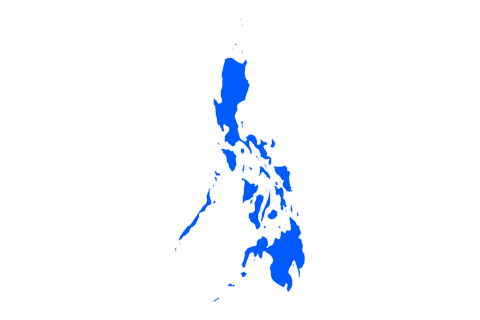
Hiking places
Routes to explore
- Treks du mont Pulag et du mont Apo
Where to hike in the Philippines
Hiking in the Philippines centres on a few major mountains and the highlands of northern Luzon. Three destinations shape a first trip: Mount Pulag, the highest point on Luzon, Mount Apo, the country’s highest peak on Mindanao, and the Cordillera, a region of villages and terraced rice fields.
These mountains are protected and access is regulated. On the main peaks, a permit booked in advance and a local guide are mandatory, with daily quotas. Plan the hike before booking transport: you cannot simply turn up at the trailhead.
Three destinations to explore on foot
Mount Pulag: Luzon’s sea of clouds
Mount Pulag rises to 2,928 m in Benguet province. It is known for its high grasslands and sunrises above a sea of clouds. The Ambangeg trail is the most popular route; longer and more demanding trails also exist.
Access is strictly regulated by the DENR, the environment department. You need a permit booked in advance, a fit-to-climb medical certificate, a compulsory orientation at the visitor centre and a local guide. Daily hiker numbers are capped and walk-ins are not accepted. At the summit, temperatures can drop close to freezing, so bring warm clothes even in the tropics.
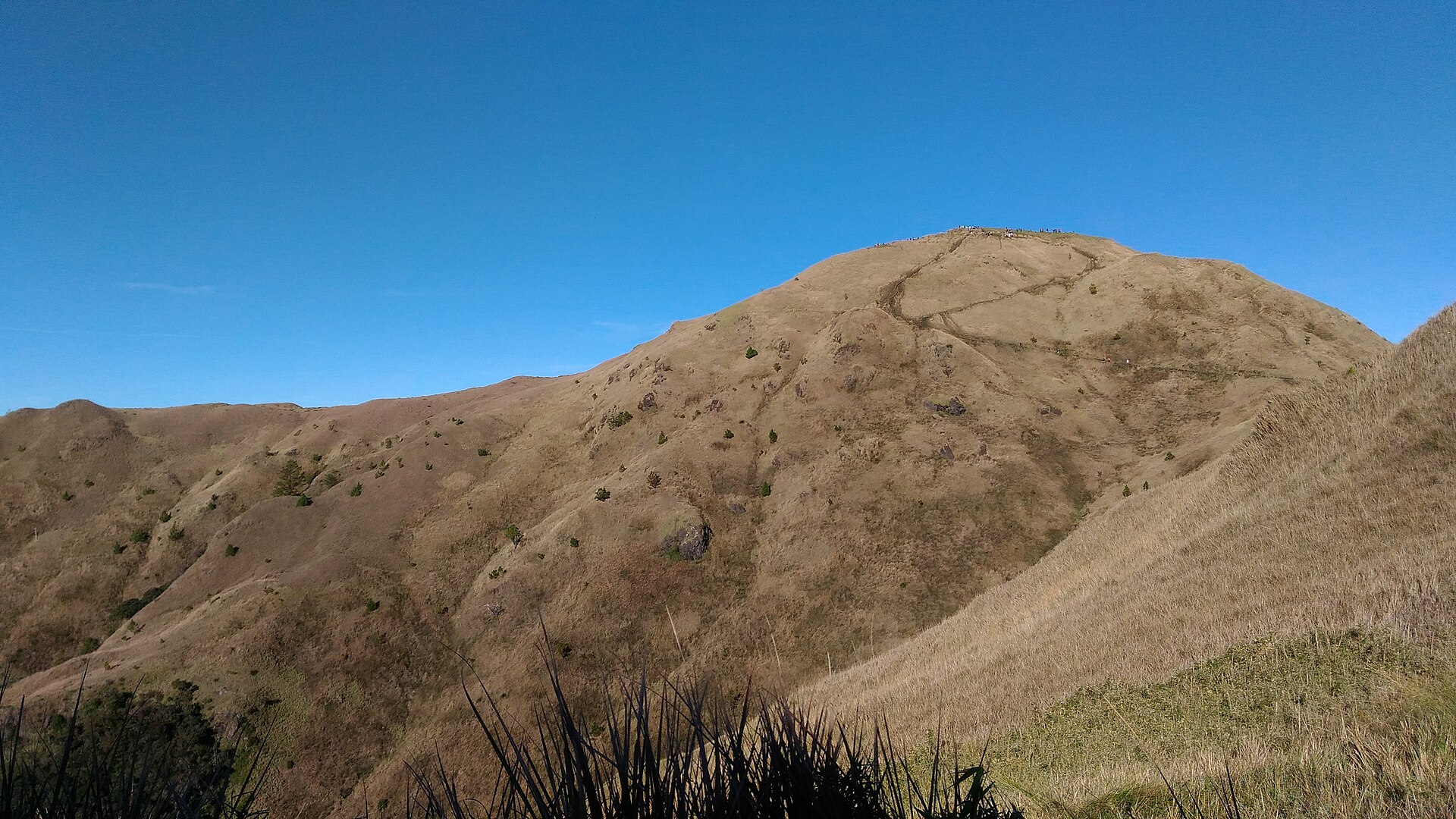
The summit of Mount Pulag in Benguet province — Photo: Zeus Angelo Salvo · CC BY-SA 4.0.
Mount Apo: the roof of the Philippines
Mount Apo, a dormant volcano on Mindanao, is the highest peak in the country. The climb usually takes two to three days, through rainforest to rocky upper slopes and Lake Venado. There are several starting points, including Kidapawan, Kapatagan and Santa Cruz. The Santa Cruz trail includes a boulder section that requires scrambling and is not suited to beginners; the Kidapawan trail is considered more gradual.
Permits are issued by the tourism office of the starting municipality, with DENR approval, and a guide is mandatory. Quotas and trail openings can change with the season or after fires, so check with the relevant office before you travel.
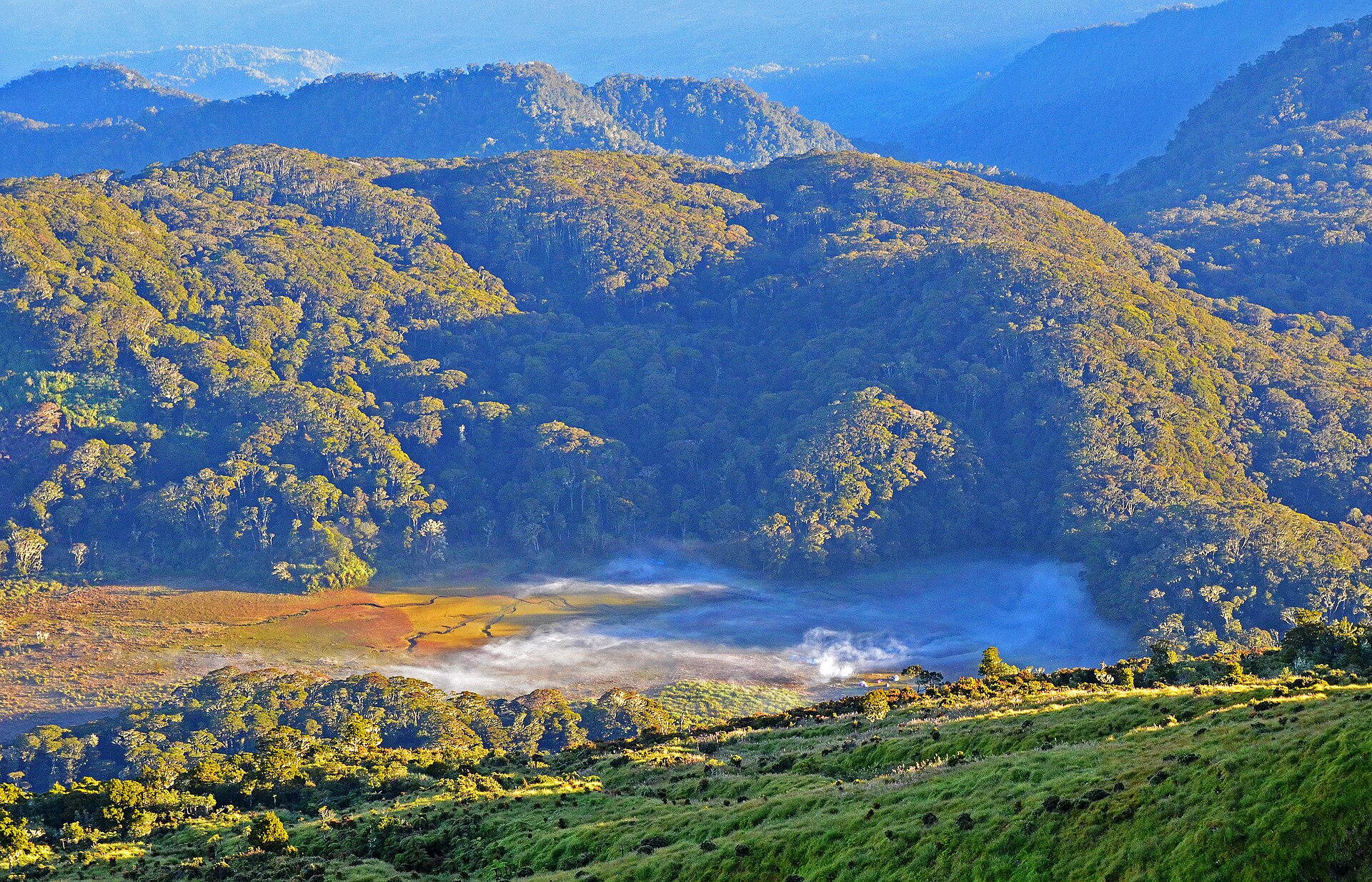
Lake Venado on the slopes of Mount Apo — Photo: JBYBIOSA · CC BY-SA 4.0.
Cordillera: rice terraces and mountain villages
In northern Luzon, the Cordillera offers more cultural hikes. The Rice Terraces of the Philippine Cordilleras are a UNESCO World Heritage Site; around Batad and Banaue, paths link villages and terraces. Sagada is another popular base for walks between caves, forests and viewpoints.
Paths cross farmland and inhabited villages. Stay on the trails, do not walk along the terrace walls and hire a local guide, which is often requested or recommended locally.
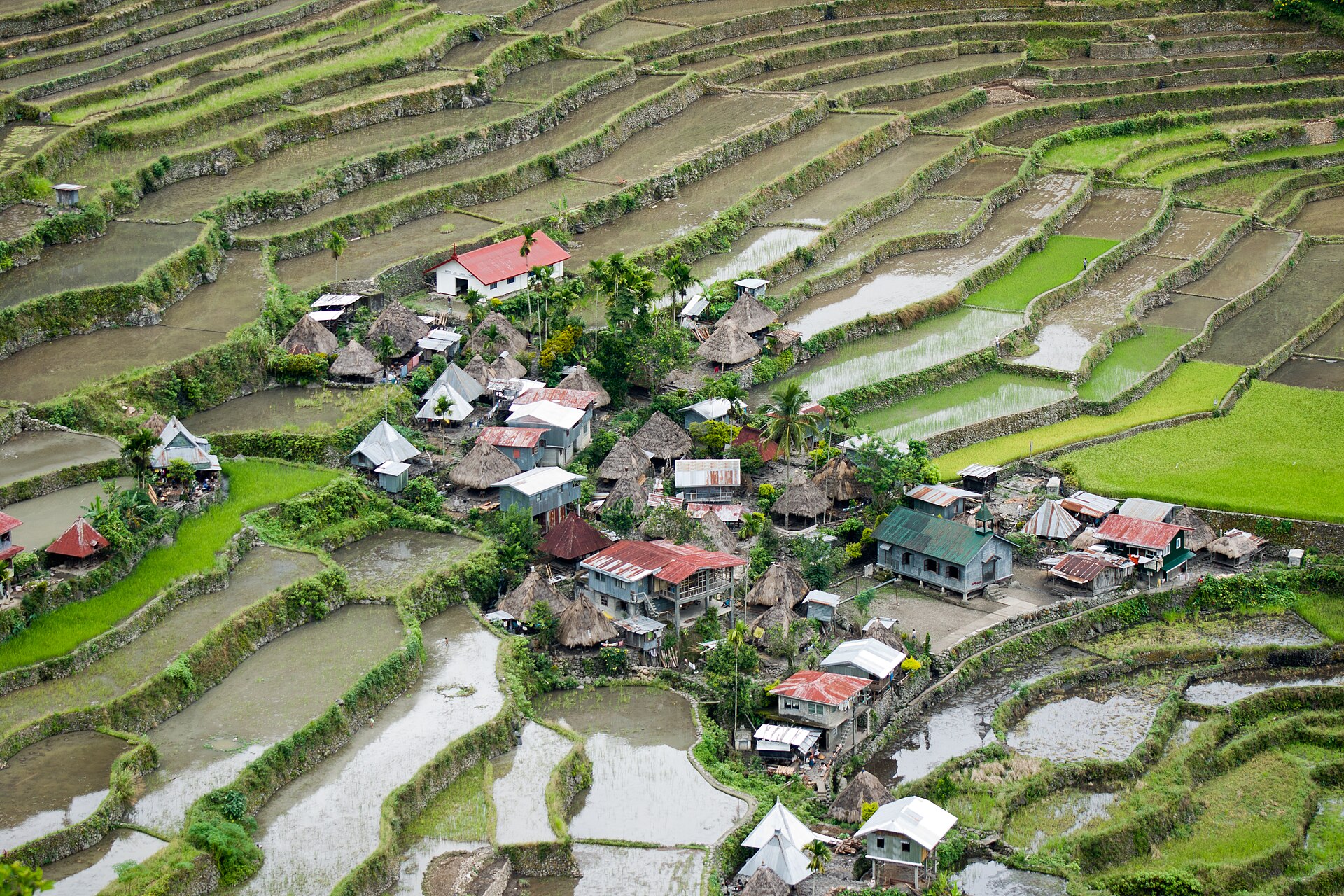
The Batad rice terraces in Ifugao province — Photo: CEphoto, Uwe Aranas · CC BY-SA 4.0.
When to go hiking in the Philippines
The dry season, generally from November or December to April or May, is best for hiking. From June to November, rain and typhoons make trails slippery and can lead to mountain closures. Authorities sometimes suspend access during weather warnings.
At altitude, nights stay cool all year. On Pulag, the driest months are also the busiest, so book your permit early.
To compare with other destinations, see our month-by-month calendar of the best time to go hiking.
Permits, transport and organisation
- Permits: book ahead for Pulag and Apo, with the required documents (a medical certificate for Pulag).
- Guide: mandatory on the major peaks; usually arranged through the local tourism office or an agency.
- Transport: from Manila, allow a long drive to Baguio and Benguet for Pulag or the Cordillera. For Apo, fly to Davao and then drive to the trailhead.
- Accommodation: camping on mountain trails, guesthouses in Cordillera villages.
Compare agency offers with equivalent services: transport, permits, guide, porters and meals are not always included.
Gear and responsible hiking
Bring footwear suited to muddy trails, a rain jacket, warm layers for the summits, a head torch for pre-dawn starts and enough water. For camping, you need a tent and a sleeping bag rated for cold nights.
Pulag and Apo are sacred mountains for local communities. Follow the guidance given at orientation, carry out all your rubbish and stay on marked trails.
Frequently asked questions about hiking in the Philippines
Do I need a guide to climb Mount Pulag?
Yes. A local guide is mandatory, along with a permit booked in advance, a medical certificate and the visitor-centre orientation.
What is the highest mountain in the Philippines?
Mount Apo, on Mindanao. Climbing it requires a permit, a guide and usually two to three days of hiking.
When is the best season?
The dry season, roughly from November or December to April or May. Avoid the typhoon season, from June to November, when mountains may be closed.
Can I hike the rice terraces without a guide?
Some paths are easy to follow, but a local guide is often recommended or requested. A guide helps with route-finding and supports the communities that maintain the terraces.