
Hiking in the Pyrenees
Choose a Pyrenees valley and enjoy walks adapted to your experience, with time for mountain scenery and local discoveries.
Hiking guides
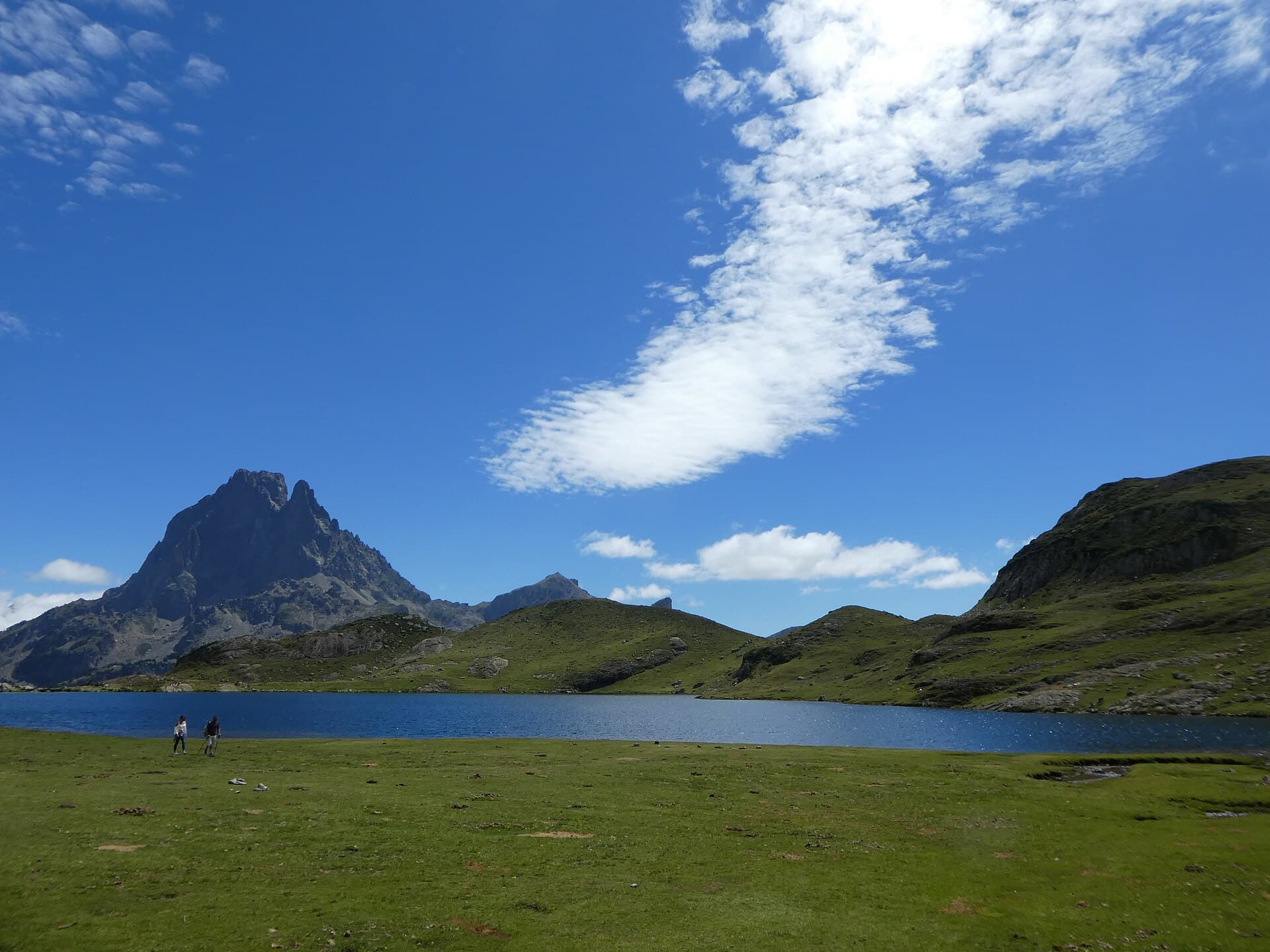
Pyrenees hiking trip: how to plan it
Plan your Pyrenees hiking trip: French and Spanish areas, seasons, routes, mountain huts, equipment and budgeting.
Pyrenees · GUIDE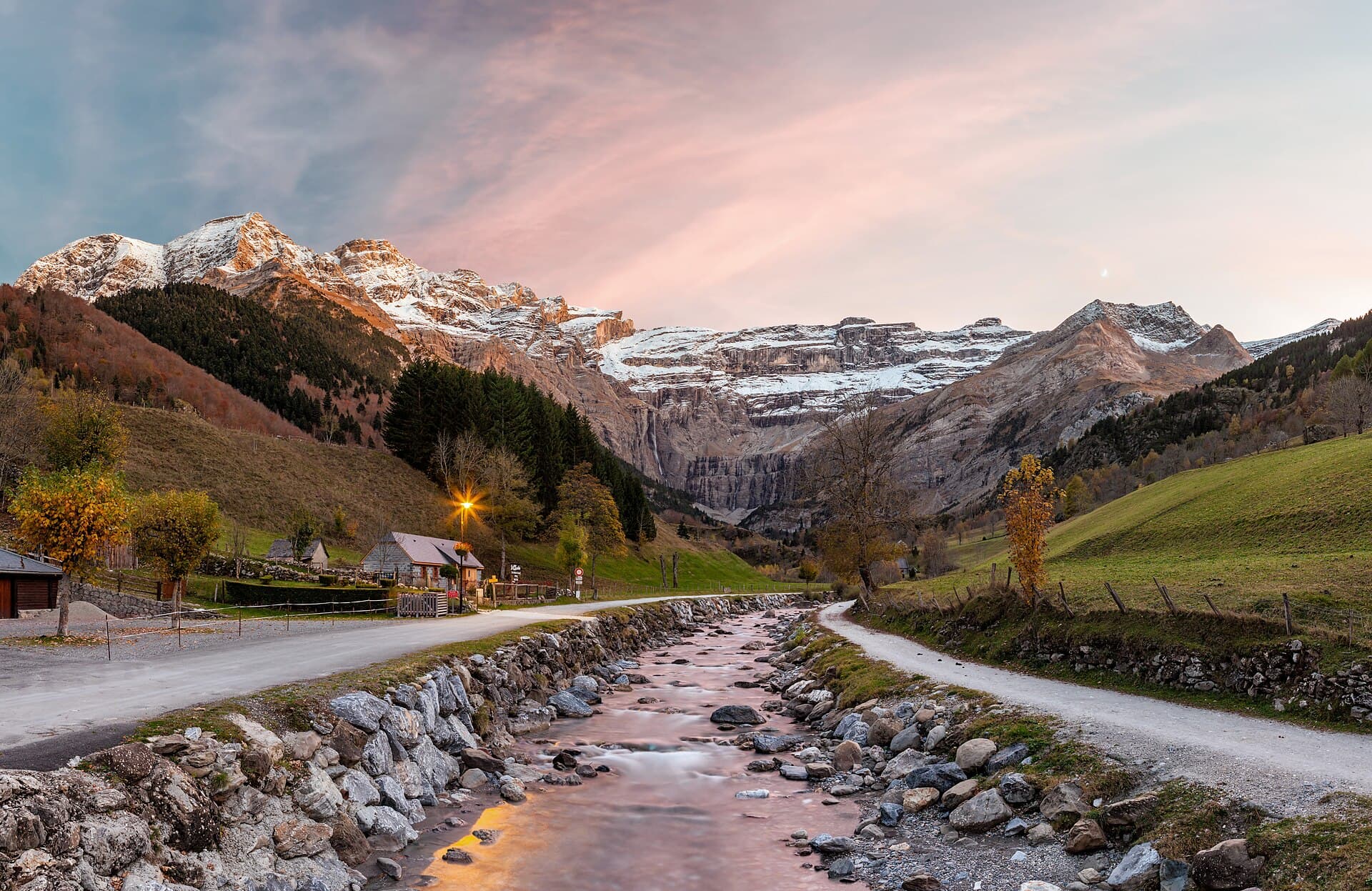
Pyrenees: which hiking trails should you choose?
Compare three Pyrenees hikes: Gavarnie, Gaube Lake and Cola de Caballo, with verified distances, ascent and advice on choosing your route.
Pyrenees · GUIDEHow should you choose your Pyrenees hikes?
Start with a valley. For a short holiday, a fixed base lets you explore nearby routes without adding a road transfer to every outing. A longer crossing serves a different ambition and needs more organisation. Decide whether you want gentle walks, full mountain days or consecutive stages. The range’s name alone does not tell you how much effort a path will require.
The Pyrenees hiking guide introduces holiday planning. The Pyrenees trail comparison helps select specific outings. Compare several possibilities near your accommodation, including a shorter option. Choose each day according to conditions and how the group feels instead of holding to an objective selected before arrival.
Valleys, cirques and lakes: choose the actual route
Valleys provide a way to explore the mountains with a straightforward return to accommodation. Find the real trailhead: a village name can cover a wider area than you expect. A base near two or three suitable starting points is often more practical than accommodation chosen only for its view. Identify services for food and transport too.
Cirques attract visitors with dramatic scenery, but their paths are not a single interchangeable walk. An accessible viewpoint and a higher route in the same sector may require very different abilities. Gavarnie, Cauterets and the Béarn valleys are distinct areas. Choose a sector and examine its paths rather than gathering distant names into one day.
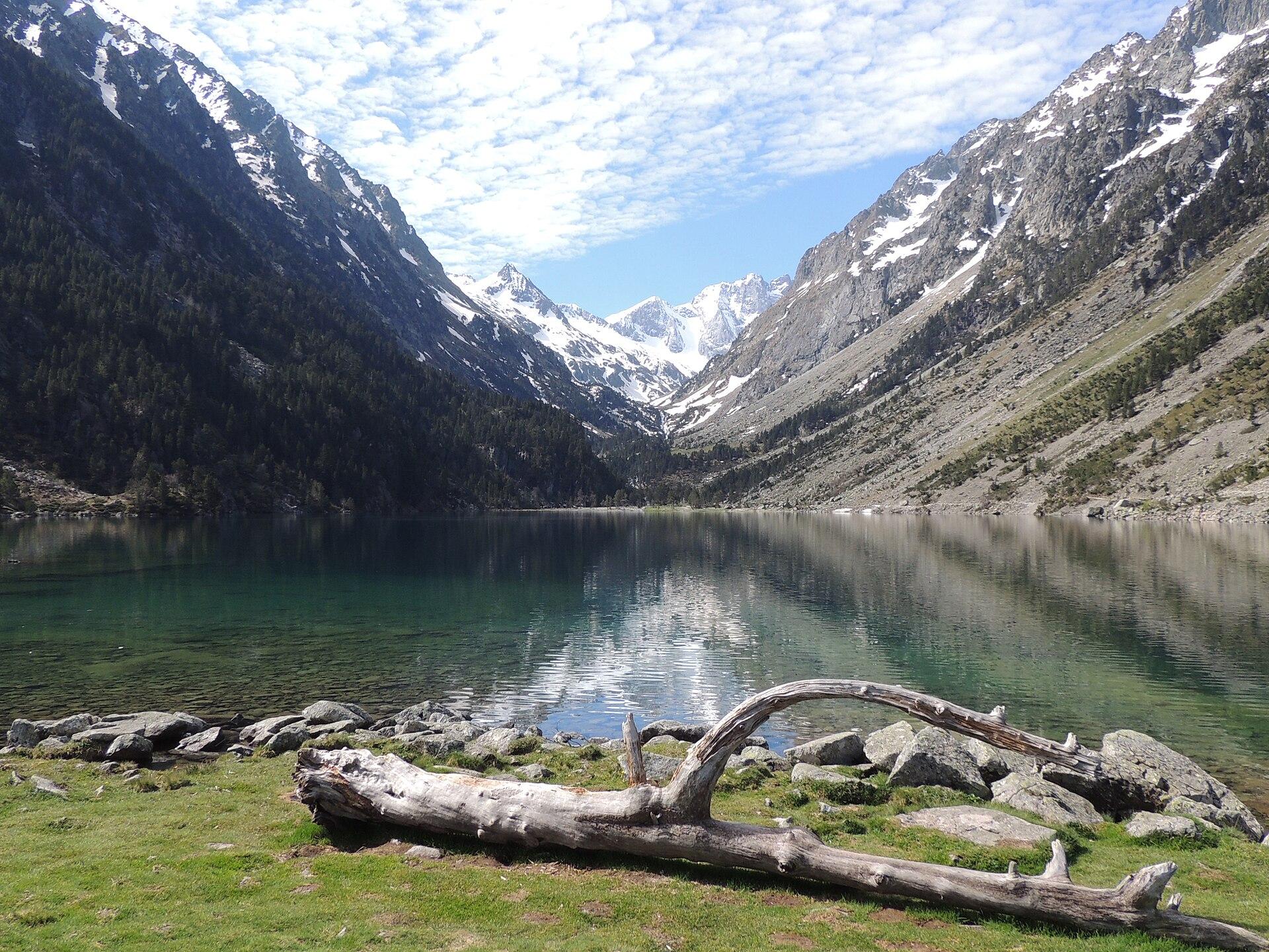
For a mountain lake, assess the climb and descent as carefully as your time beside the water. A short outing may still have steep passages or uncomfortable terrain. Within the national park, lake activities have specific rules: check the park’s lake activity guidance. Reaching a lake does not automatically establish permission to swim.
When should you travel and how flexible should you be?
Define the elevation and walking style before choosing a period. Higher paths may have conditions different from those in the village. For summer outings, ask about terrain and do not confuse open accommodation with suitable conditions on every trail. A lower alternative needs checking too: lower elevation does not mean unrestricted access or the absence of hazards.
A forecast storm, poor visibility or terrain beyond your experience can justify changing the programme. Decide early rather than waiting until the return becomes difficult. The best goal is not necessarily the one imagined when you booked. An enjoyable valley walk can protect the rest of the holiday. Leave a practical margin between finishing your outing and any transport reservation.
Day outings or a section of the GR10?
A three-day stay can combine a moderate introductory walk, a longer day and a final short outing before travelling home. This is a suggested rhythm, not a requirement to complete specific paths. It leaves time for villages, breaks and a weather change without making each day depend on one objective.
For a GR10 section, study stages, overnight accommodation and resupply first. Walking only part of the crossing still means organising the starting and finishing points. Consider pack weight, cumulative fatigue and ways to shorten the trip if necessary. An extra night at one base can be more appropriate than a stage imposed by an overcrowded schedule.
Agree on expectations before travelling with others. Some participants may want a long walking day while others prefer shorter outings and time in villages. Choosing the same accommodation does not require every person to pursue the same objective, provided independent plans and return arrangements are clearly understood. Keep the programme realistic for the whole group.
Accommodation, transport and equipment
Choose your accommodation around the trailheads, then check the outward and return journeys. For a one-way outing, arrange the transfer before booking. A short map distance does not guarantee a quick road journey. For an overnight stay along the route, confirm opening dates, reservations, meals and what equipment is provided. Bivouacking does not follow one universal rule across natural areas: ask about the specific location rather than assuming familiar practices apply.
Pack familiar footwear, water, food, sun and rain protection, warmth, first-aid supplies and offline navigation. Adapt this basic kit to the outing rather than copying a list for another activity. Tell someone your itinerary and expected return time. A downloaded track describes a path, but does not confirm access or suitability for the group. Leave a margin before nightfall and change the objective if conditions or your walking pace require it.
Common questions before setting off
How should you choose your first walk?
Compare distance, elevation gain, terrain and return options. A moderate outing near your accommodation helps you establish your pace before a more ambitious day. The least confident participant should guide the group’s choice. Do not pick a route only because its name or photographs are familiar. A first day should leave you comfortable enough to enjoy the remaining holiday.
Should you walk every day?
No. Alternating hikes, local exploration and rest often makes a more enjoyable holiday. A flexible day also allows you to postpone an outing when conditions are unsuitable. Leave room for travel and recovery instead of filling every available hour. You can enjoy the scenery without continually adding distance, and a relaxed afternoon can be as satisfying as another summit.
How can you respect the places you visit?
Use permitted paths, respect closures and carry out rubbish. Leave natural objects where you find them and observe animals from a distance. Check instructions about fires, pets and outdoor overnight stays. Habits acquired elsewhere do not replace local rules. Consider the people living around the trails as well as the landscape you have come to explore.