
Cederberg hikes
Discover the Cederberg’s sandstone formations and open landscapes through well-chosen walks and confirmed access arrangements.

Hiking guides
Cederberg: hiking and travel guide to South Africa’s sandstone mountains
Plan a Cederberg trip: Maltese Cross and Wolfberg Arch hikes, best seasons, access from Cape Town, 2026 closures, where to stay and what to pack.
Cederberg · GUIDE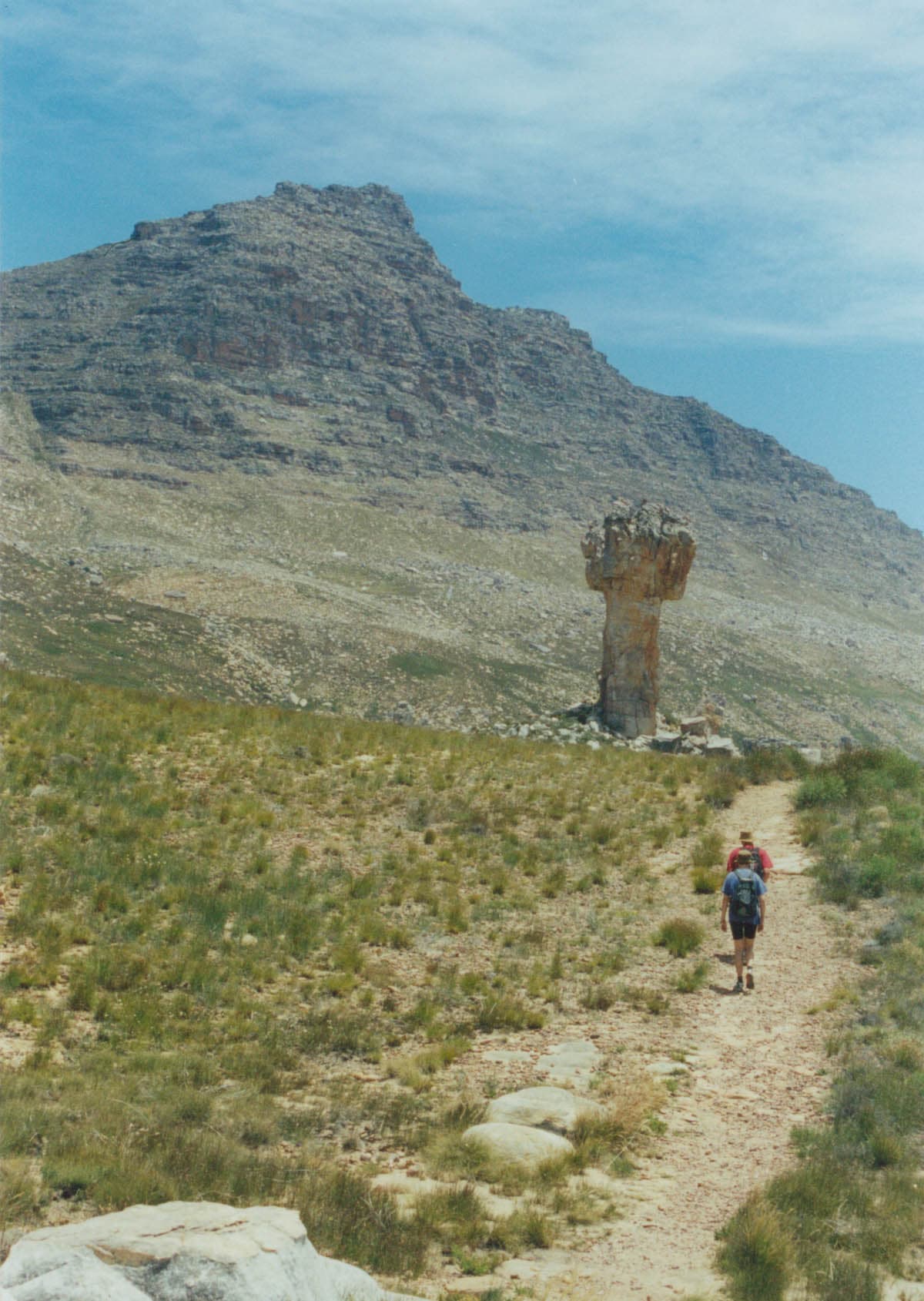
Maltese Cross hike: planning your Cederberg walk
Plan the Maltese Cross hike in the Cederberg: Sanddrif map, trailhead, permits, walking times, terrain, equipment and access checks.
Cederberg · GUIDEWhy choose the Cederberg for walking?
The Cederberg, in the Western Cape north of Cape Town, suits a holiday focused on rocky scenery and mountains. It offers a different experience from an urban visit or safari circuit. Select a well-positioned base and a few appropriate outings instead of a lengthy list of formations. Roads, access and available time shape the stay as much as walking distance.
The complete Cederberg guide covers places and practical planning questions. This page helps you choose the holiday’s rhythm. A first visit can combine a moderate outing, landscape exploration and a more ambitious day when conditions permit. Keep an authorised alternative. Every day need not reach a famous formation to be rewarding.
Rock formations or a longer walking day?
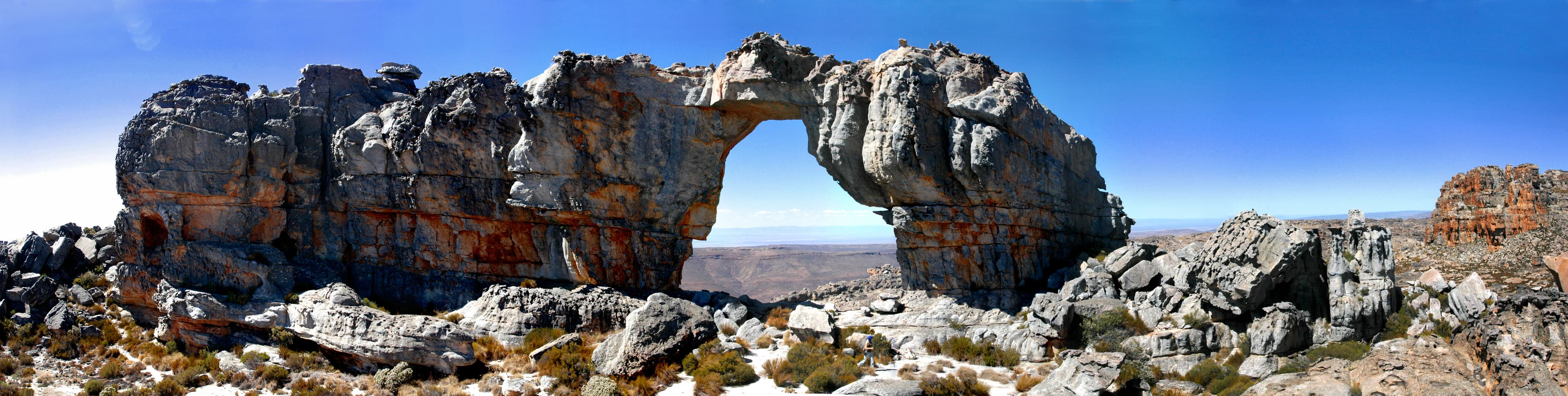
Maltese Cross and Wolfberg Arch are familiar names, but not the same objective or preparation. Identify the exact starting point, permissions and full route before choosing a place. An arch photograph does not show all the passages required to reach it. Do not assume famous formations take the same walking time or effort.
For a shorter visit, Stadsaal and Truitjieskraal offer other landscapes and rock-art heritage. Access conditions still need confirmation. A shorter stop can complement the stay, but differs from a mountain outing. Do not touch the paintings and follow the site’s paths. Heritage deserves as much care as vegetation and wildlife.
For a long day, assess water, navigation and return time. If photography and several visits matter more, reduce the distance and give each place longer. These styles fit different expectations. Choose according to your abilities and interests, without an obligation to reach the best-known landmark. Discuss what the others travelling with you want before organising an outing for everyone.
Access and permits: check the specific place
Different managers and properties are involved across the region. Read CapeNature’s information and contact the responsible manager. Access notices following the weather damage of 2026 make this particularly important. An accommodation reservation does not establish that all nearby trails are open. Confirm starting points, any permits and conditions before building your day around a walk.
An old track or undated description does not confirm current access. When an objective is closed, find an explicitly authorised alternative instead of improvising a detour. Check how to reach the starting point and the requirements of the road journey. Conditions on an access road can influence your accommodation choice as much as the walking route. Leave time for these arrangements before arrival.
Walking hours and the pace of your stay
Adjust walking hours to heat, wind and the forecast. A comfortable day at your accommodation may feel different on an exposed path. Prepare protection and enough water without depending on an unconfirmed supply along the route. A shorter goal is preferable to an outing that leaves no return margin. Check the full walking plan rather than judging it from a single destination photograph.
For three days, consider a moderate introduction on arrival, a walking day selected around confirmed access and a short outing before the return journey. This is an adaptable rhythm, not a guaranteed circuit. Avoid combining a long drive and demanding hike when that removes space for delays. Spend time near your base too.
Before booking a more remote night, decide whether you genuinely want the extra independence it requires. A comfortable base with day outings can suit a first visit better than carrying everything between stops. Choose the format that matches your navigation, equipment and expectations. A smaller programme often allows more time to appreciate the changing light, the rock formations and the landscape itself.
Accommodation, transport and equipment
Choose your accommodation around the trailheads, then check the outward and return journeys. For a one-way outing, arrange the transfer before booking. A short map distance does not guarantee a quick road journey. For an overnight stay along the route, confirm opening dates, reservations, meals and what equipment is provided. Bivouacking does not follow one universal rule across natural areas: ask about the specific location rather than assuming familiar practices apply.
Pack familiar footwear, water, food, sun and rain protection, warmth, first-aid supplies and offline navigation. Adapt this basic kit to the outing rather than copying a list for another activity. Tell someone your itinerary and expected return time. A downloaded track describes a path, but does not confirm access or suitability for the group. Leave a margin before nightfall and change the objective if conditions or your walking pace require it.
Common questions before setting off
How should you choose your first walk?
Compare distance, elevation gain, terrain and return options. A moderate outing near your accommodation helps you establish your pace before a more ambitious day. The least confident participant should guide the group’s choice. Do not pick a route only because its name or photographs are familiar. A first day should leave you comfortable enough to enjoy the remaining holiday.
Should you walk every day?
No. Alternating hikes, local exploration and rest often makes a more enjoyable holiday. A flexible day also allows you to postpone an outing when conditions are unsuitable. Leave room for travel and recovery instead of filling every available hour. You can enjoy the scenery without continually adding distance, and a relaxed afternoon can be as satisfying as another summit.
How can you respect the places you visit?
Use permitted paths, respect closures and carry out rubbish. Leave natural objects where you find them and observe animals from a distance. Check instructions about fires, pets and outdoor overnight stays. Habits acquired elsewhere do not replace local rules. Consider the people living around the trails as well as the landscape you have come to explore.